Chadrack

Sometimes it feels like the rules of affiliate marketing change overnight. If you’ve been in the space recently, you probably felt it too – the mix of excitement and uncertainty. 2025 was a dramatic year. Some affiliates saw their income double. Others watched their traffic collapse. AI reshaped content creation, buyer behavior shifted toward social commerce, and commission structures changed without warning. It became clear that the strategies that worked even a year ago are no longer enough.
Maybe you felt that tension yourself. The sense that you’re working hard, yet something in the system has shifted under your feet. And you’re not alone. Every affiliate right now is navigating the same transformation. The industry is growing fast, but growth alone doesn’t guarantee success. Those who adapt will thrive. Those who don’t will be left behind.
As we move into 2026, one truth stands out: the affiliates winning today aren’t doing more. They’re doing the right things. They’ve simplified their workflow. They’ve aligned with new buyer behavior. And they’ve embraced tools and platforms that amplify, rather than replace, their unique voice.
In this article, you’ll learn seven surprisingly simple affiliate marketing trends that are generating real results going into 2026 – along with three common pitfalls that quietly sabotage affiliate income. These aren’t theories. They are proven, data-backed, step-by-step strategies.
Key Takeaways:
- Affiliate marketing is growing rapidly, but success now depends on adapting to AI disruption, social buying behaviors, and privacy shifts.
- This guide breaks down the seven tactics producing the strongest results in 2026 and the three tactics hurting conversions.
- You’ll get practical steps, tools, and a clear 90-day roadmap to stay ahead of the industry curve.
Let’s get into what actually works.
DISCLOSURE: WebIncomeJournal is supported by readers like yourself. We may earn an affiliate commission when you purchase through our links, which helps us offer our content for free. Learn more here.
The State of Affiliate Marketing in 2026
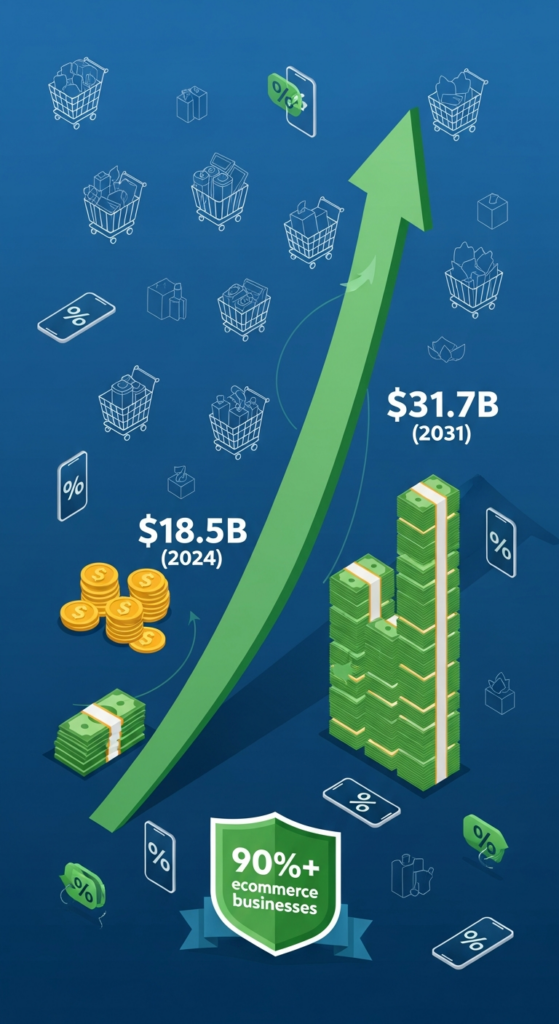
The affiliate marketing landscape isn't just growing—it's exploding in ways most people aren't ready for.
The numbers tell a wild story. The global affiliate market hit $18.5 billion in 2024 and is projected to rocket to $31.7 billion by 2031. That's not slow, steady growth—that's a tidal wave. Even more telling? WeCanTrack reports that over 90% of businesses, particularly in ecommerce, expect to integrate affiliate marketing into their sales strategies by 2026, citing its cost-effectiveness and scalability.
If you're not tapped into this, you're leaving serious money on the table.
But here's where it gets interesting. Mobile now drives 65% of all affiliate clicks. Think about that. If your content doesn't work flawlessly on a smartphone, you're invisible to two-thirds of potential buyers.
The game has fundamentally shifted from transaction-based to relationship-based partnerships. Brands aren't just looking for link droppers anymore—they want creators who build genuine connections with audiences. The one-click affiliate hustle? Dead.
AI and automation are reducing manual work by 80%, which sounds like a dream until you realize your competitors are using these same tools to outpace you. AI tools are cranking out content, spotting hot keywords, and personalizing pitches faster than any human can match.
Add in cookie deprecation—Google Chrome completed the third-party cookie phase-out in 2025—and you've got a perfect storm of change. Traditional tracking methods are breaking down. Platforms are evolving. The old playbook doesn't just need updates; it needs to be completely rewritten.
Why does now matter? Because the gap between affiliates who adapt and those who don't is widening every single day. The strategies that worked 18 months ago are actively hurting income now.
What is Affiliate Marketing in 2026?
Let's get clear on what affiliate marketing actually looks like right now—not what it was in 2020.
At its core, affiliate marketing remains a performance-based partnership where you earn commissions for promoting products or services. But that's where the similarity to “traditional” affiliate marketing ends.
We've evolved way beyond dropping Amazon links in blog posts and hoping for clicks. Modern affiliate marketing is a multi-platform social commerce strategy. You're creating content on TikTok Shop, going live on Instagram, building email sequences, and fostering communities—all while strategically weaving in product recommendations.
It's now fully integrated with influencer marketing. The lines have completely blurred. Creator partnerships with brands for live streams and shoppable videos are becoming the norm, not the exception. You're not just an affiliate—you're a trusted advisor, a content creator, and a community builder rolled into one.
Here's what's changed from traditional affiliate marketing:
- Mobile-first is mandatory: With 65% of clicks happening on smartphones, if your content doesn't load fast and look great on mobile, you've already lost.
- Video content dominates: Instagram Reels, YouTube Shopping, TikTok Shop—video is how people discover and buy products now. Static blog posts alone won't cut it.
- AI-powered optimization: Tools predict trends, personalize content, and automate campaigns. You're competing against affiliates using AI to work 10x faster.
- Privacy-compliant tracking: Cookie-based tracking is dead. First-party data and server-side tracking are the new standard.
- Community-driven conversions: People buy from creators they trust in communities they're part of. Broadcasting to strangers gets you nowhere. Building relationships with a dedicated audience gets you everything.
This isn't your 2020 side hustle anymore. It's a sophisticated, multi-channel business model that rewards authenticity, speed, and strategic thinking.
7 Surprisingly Simple Tactics Crushing It Right Now
Tactic #1: AI-Powered Content Automation (But Keep the Human Touch)
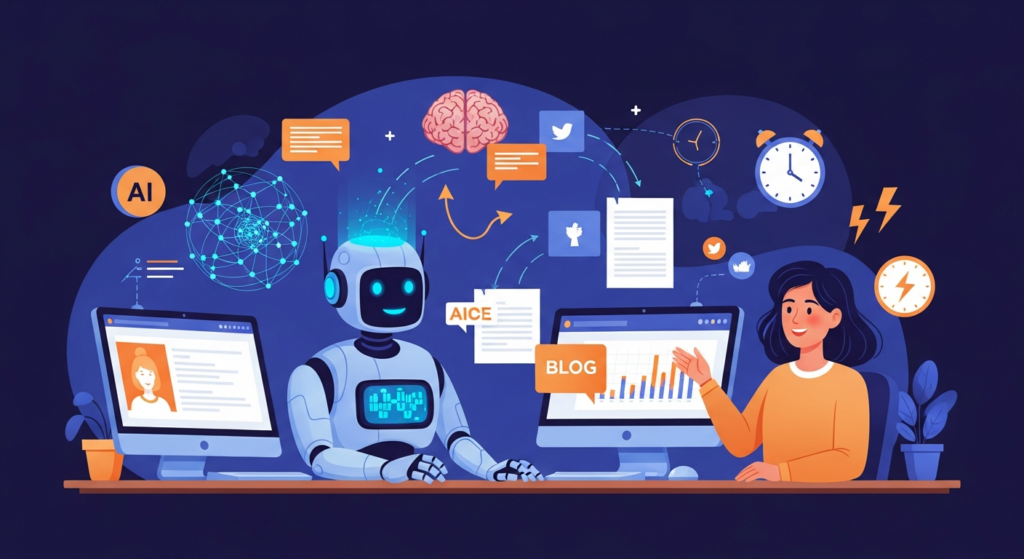
I'll be straight with you—AI changed everything for me in 2025. I went from publishing 8 articles a month to 30, without working longer hours. But here's the catch: the affiliates who let AI do everything are getting crushed. The ones winning? They're using AI as a turbo boost, not a replacement.
The numbers are wild. In 2025, reports show that 40% of affiliate marketers integrated AI into personalized content creation. Those using AI reported 80% time savings on routine tasks like research, outlining, and optimization. AI tools spot hot keywords and personalize pitches faster than you can blink.
There’s no indication that this will slow down by any means in 2026 and beyond.
Why this tactic prints money:
You can produce 5-10x more content without your quality tanking. AI predicts trending products before they peak, so you're promoting winners while competitors are still researching. Automated email sequences run while you sleep. Social posts get scheduled for optimal times. Real-time campaign optimization happens without you lifting a finger.
Here's how to implement it simply:
- Content creation: Use ChatGPT or Claude for article drafts and product descriptions. Jasper AI keeps your brand voice consistent across everything. Copy.ai cranks out social media variations in seconds.
- Analytics and optimization: AI tools predict which products convert best for your specific audience. Performance tracking and bid adjustments happen automatically. Predictive seasonal trend analysis tells you what to promote next quarter.
- The human element—this is critical: AI generates drafts, but YOU add personal experience. Share authentic product testing and real results. Your brand voice and credibility come from you, not the machine.
Your 4-week action plan:
- Week 1: Choose one AI tool for content outlining (start with ChatGPT Plus)
- Week 2: Create template prompts specific to your niche
- Week 3: Test AI-generated vs. human-written conversion rates
- Week 4: Scale what works, keep human editing
Tools you need: ChatGPT Plus or Claude for content, SEOWriting AI for optimization, Blogify AI for scaling, Voluum or RedTrack for analytics.
Expected results: 3-5x content output while maintaining quality. I'm seeing this consistently.
Tactic #2: Micro-Influencer Partnerships Over Celebrity Endorsements
Why Are Micro-Influencers Outperforming Celebrity Affiliates in 2026?
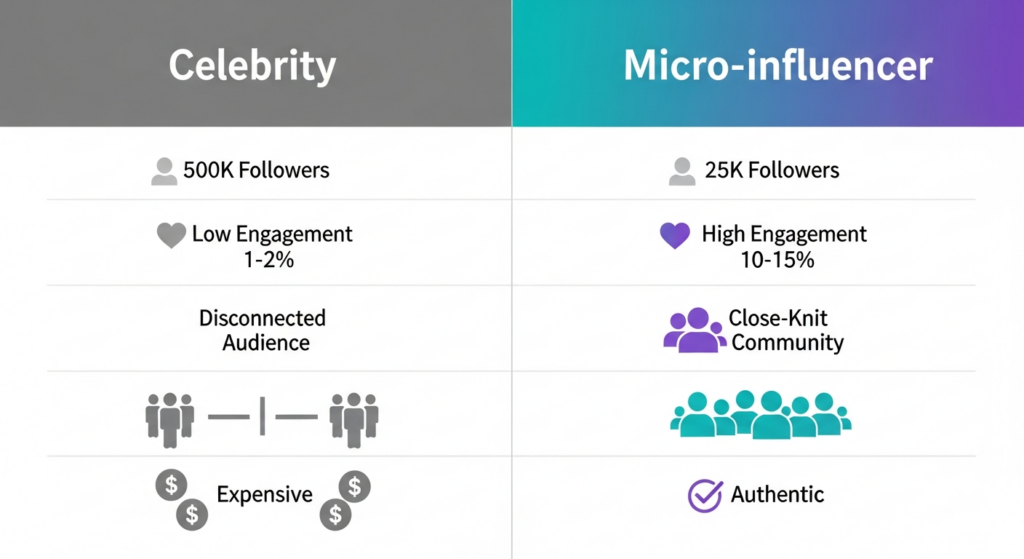
Listen, I know what you're thinking: “I only have 8,000 followers. How can I compete?”
Here's the truth that'll blow your mind—you're actually in a better position than someone with 500,000 followers.
Brands are increasingly partnering with niche content creators because micro-influencers (5K-50K followers) are seeing 3x higher engagement than macro-influencers. Your smaller, engaged audience trusts you more than they'd ever trust a celebrity pushing products.
Why this works so well:
Micro-influencers show better cost per acquisition than macro-influencers. Your niche audience has higher purchase intent—they're following you because they want what you recommend. Authentic recommendations beat obvious paid promotions every single time. Plus, it's budget-friendly for brands, which means more partnership opportunities for you.
The opportunity for YOU:
You don't need 100K followers to start earning real money. Focus on deep engagement, not vanity metrics. Brands are actively looking for authentic voices right now.
Specific niches absolutely crushing it:
- Fitness and wellness sees 3x higher engagement, especially supplements and equipment.
- Personal finance offers high-ticket courses and software tools with massive commissions.
- AI tools and productivity provides SaaS with recurring commissions—this is exploding.
- Sustainable living has growing demand with incredibly loyal audiences. Travel saw a 410% increase in content views.
Simple implementation:
- Pick your micro-niche. Get specific enough to build real expertise. “Budget travel for remote workers” beats generic “travel” every time. Solve specific problems with clear ROI.
- Build trust first. Post 20-30 pieces of value content before you promote anything. Share personal experiences and real results. Engage authentically with your community—no copy-paste responses.
- Partner platforms to use: Afluencer for brand discovery, Amazon Influencer Program for storefronts, PartnerStack for SaaS deals, TikTok Shop and Instagram Shopping.
Your action steps:
- Audit your current audience size and engagement rate
- Identify 3-5 micro-niches where you have authority
- Apply to 10 affiliate programs in your niche
- Create content calendar: 70% value, 30% promotional
Expected results: $100-$500/month within first 90 days for 10K-25K engaged followers. I've seen this happen dozens of times.
Tactic #3: Cookieless Tracking with First-Party Data
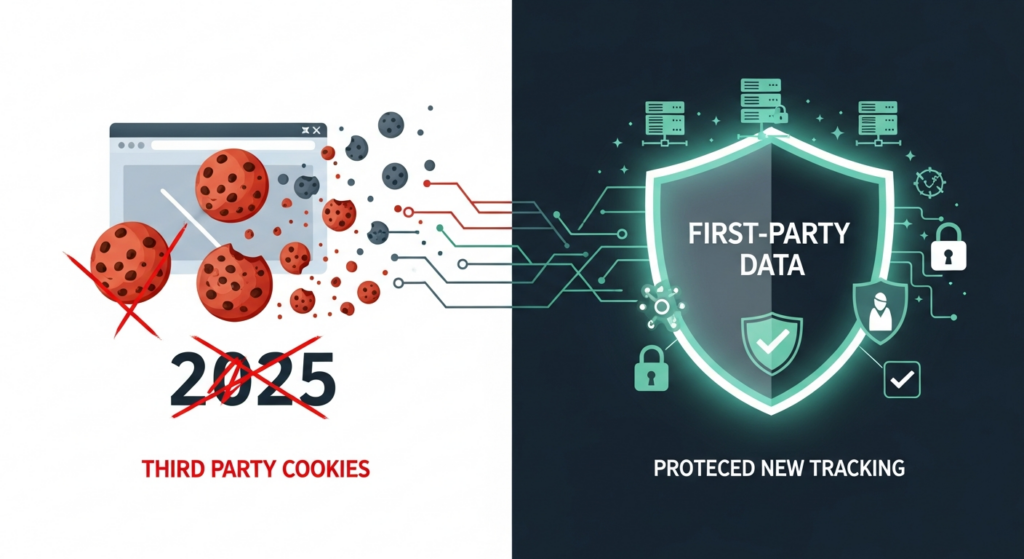
Here's a hard truth that cost me $3,000 in lost commissions last year: if you can't track conversions accurately, you're flying blind and losing money you've already earned.
The urgent reality: Google Chrome completed the third-party cookie phase-out in 2025. 70% of affiliate platforms are moving away from cookie-based tracking toward first-party solutions and AI-driven tracking. Traditional tracking methods are literally breaking down as we speak.
Why this matters more than you think:
You can't optimize what you can't measure. Period. Inaccurate attribution means lost commissions—sometimes you make a sale and never see the credit. Brands are demanding privacy-compliant solutions, and if you're not set up properly, you won't even get approved for top programs.
The solution—cookie-safe tracking that actually works:
First-party cookies are still allowed and effective. Server-side tracking bypasses browser restrictions completely. Conversion APIs create direct platform communication. Pixel plus postback hybrid approaches give you backup tracking.
Simple implementation (even if you're not techy):
- Switch to first-party cookie platforms. If you're using WordPress, install Easy Affiliate plugin—it uses first-party cookies automatically. For performance marketing, use Voluum. For enterprise solutions, try Affise. These platforms already handle the technical stuff for you.
- Implement server-side tracking. Set up Google Analytics 4 with server-side configuration. Use Facebook Conversion API instead of the old Meta Pixel. RedTrack handles multi-platform tracking, and Trackier focuses on compliance-focused tracking.
- Build your first-party data assets. This is critical—email list building means you own the data. Integrate your CRM with affiliate links. Use custom UTM parameters for tracking. Build direct relationships with your audience.
What to avoid:
Don't ignore tracking updates—you'll lose revenue you've already earned. Don't rely solely on platform-provided analytics. Don't skip proper UTM tagging on your links.
Expected results: 95%+ tracking accuracy vs. 60-70% with outdated methods. That's real money back in your pocket.
Tactic #4: High-Ticket Programs with Recurring Commissions
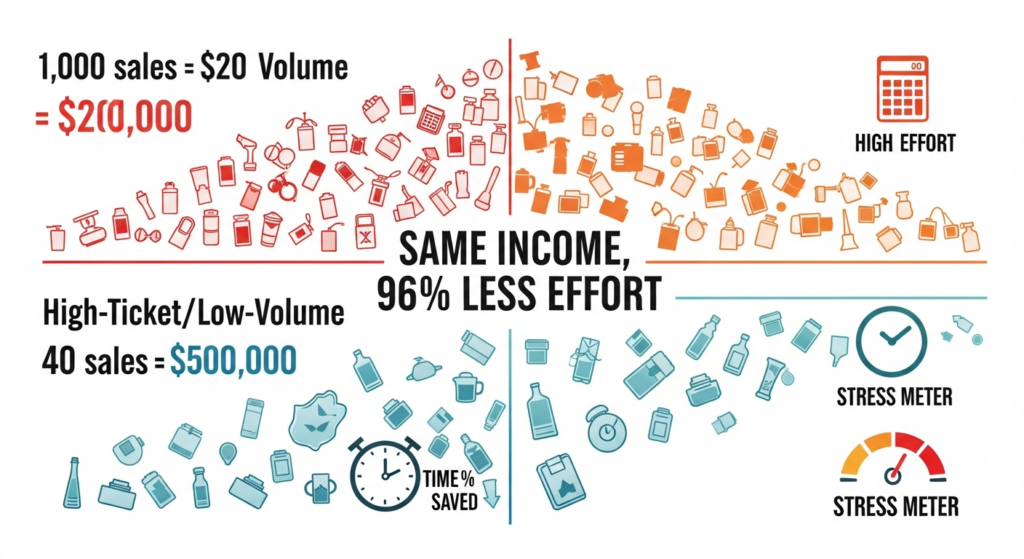
A major shift is happening across the industry. In the last few months of this year, high-ticket affiliate marketing has become the primary model for full-time affiliates. Instead of pushing thousands of low-paying products, creators are focusing on premium offers with strong payouts and recurring revenue. The game has moved from volume to value.
High-ticket programs work because the economics make sense. Earning 500–1,000 USD per sale means you need fewer conversions to hit your income targets. You also build deeper expertise, nurture trust, and create long-term partnerships with premium brands. It is less chaotic and more scalable.
The math:
- Low-Ticket: 1,000 sales × $20 commission = $20,000
- High-Ticket: 40 sales × $500 commission = $20,000
- Same income, 96% fewer sales needed
Think about that. Would you rather convince 1,000 people to buy or 40 people? The effort isn't even close.
Top high-ticket categories crushing it right now:
- SaaS and Software ($200-$2,000/sale): HubSpot Affiliate Program offers 30% recurring for up to one year. SEMrush Affiliate pays $200+ per subscription. WP Engine pays minimum $200 per hosting plan.
- Online Courses and Coaching ($100-$1,000/sale): Business education courses, professional development programs, and certification programs all offer massive commissions.
- Financial Services ($150-$500/lead): Investment platforms, crypto trading apps, and business accounting software pay premium rates for qualified leads.
- Web Hosting and Ecommerce ($150-$500/sale): Shopify Affiliate Program pays up to $150 per referral. Kinsta offers up to $500 for year-long plans plus 10% monthly recurring. Liquid Web pays 150% of sales ($150-$7,000 per sale).
Simple implementation:
Step 1: Choose your category. Match your existing content and audience. Prioritize recurring commission models. Look for 30%+ commission rates or $200+ flat fees minimum.
Step 2: Build authority. Create in-depth comparison content. Offer case studies and real results. Produce video tutorials and walkthroughs. Show ROI calculations—high-ticket buyers need proof.
Step 3: Strategic promotion. Write long-form content (2,000+ word guides). Create YouTube product reviews and tutorials. Build email nurture sequences (5-7 emails). Host webinars and live demos.
Best platforms to join: Impact for premium brands and high payouts, PartnerStack for SaaS focus and recurring models, ShareASale for 6,500+ merchants with varied commissions, or direct applications for higher negotiating power.
Your action steps:
- Research 10 high-ticket programs in your niche
- Create comparison spreadsheet (commission, cookie duration, support)
- Apply to top 3-5 programs
- Create one comprehensive “ultimate guide” for each product
Expected results: $2,000-$5,000/month with 20-40 qualified referrals. This is realistic and achievable.
Tactic #5: TikTok Shop & Livestream Shopping Integration
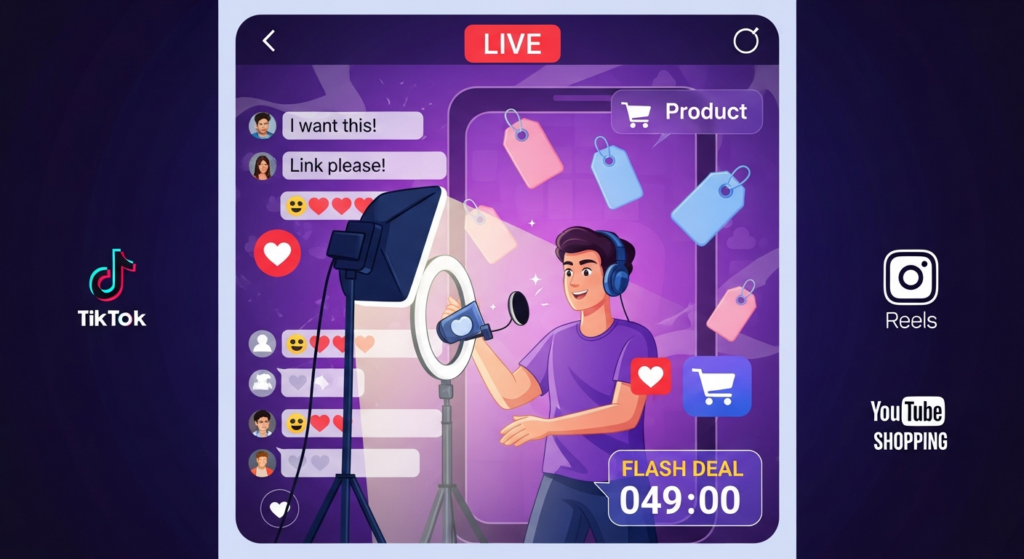
I watched a creator make $4,200 in commissions during a 45-minute live session last month. She was sitting in her bedroom, showing makeup products, answering questions in real-time. No fancy setup. No script. Just authentic conversation and product demos.
That's the power of livestream shopping right now.
The explosive growth: Livestream shopping is expected to make up more than 5% of all e-commerce sales in North America by 2026, growing 36% year over year. TikTok Shop allows creators to tag products directly in videos—no external links needed. Impulse buying through live sessions is driving massive commissions.
Why it's working so well:
Interactive shopping experiences let buyers ask questions in real-time during purchases. Authenticity beats polish—unscripted content actually performs better. Built-in affiliate tools mean no clunky external links. Flash deals and limited-time offers trigger impulse purchases fast.
The platforms dominating right now:
TikTok Shop offers native product tagging and live shopping features. Instagram Reels combines Reels, Stories, Live, and Shopping. YouTube Shopping integrates product links in videos and live streams. Facebook Live Shopping still works for certain demographics.
Simple implementation:
Getting started (Week 1-2):
Set up your TikTok Shop affiliate account through TikTok Creator Marketplace. Connect your business account. Browse available products in your niche.
Choose products strategically—items under $100 (impulse buy range), visually interesting products that solve specific pain points, and products with strong reviews and ratings.
Content strategy (Week 3-4):
Create product demo videos (15-60 seconds) showing the product in action with before/after demonstrations and authentic reactions. Do “Get Ready With Me” or daily routines where you naturally integrate products and show real-life usage. Film unboxing and first impressions with raw, unedited reactions that highlight key features and address common objections.
Livestream shopping strategy:
Schedule regular live sessions 2-3 times per week for 30-60 minutes at the same time for consistency. Promote 24-48 hours in advance.
Structure your live sessions simply: 5 minutes for greeting and chat, 20-30 minutes for product demos (3-5 products max), flash deals and limited-time codes throughout, and 10 minutes for Q&A and closing.
Engagement tactics that convert:
“First 10 buyers get 20% off” creates urgency. Comment WANT for link” boosts engagement metrics. Use interactive polls and questions. Offer bundle deals for multiple purchases.
Best practices: Post 1-3 TikToks daily to build momentum. Repurpose content across Instagram Reels and YouTube Shorts. Use trending sounds and formats. Keep captions simple with clear CTAs.
Expected results: $500-$2,000/month with consistent posting plus 2-3 weekly lives. Once you dial in your format, this scales fast.
Tactic #6: Email List Building for Affiliate Longevity
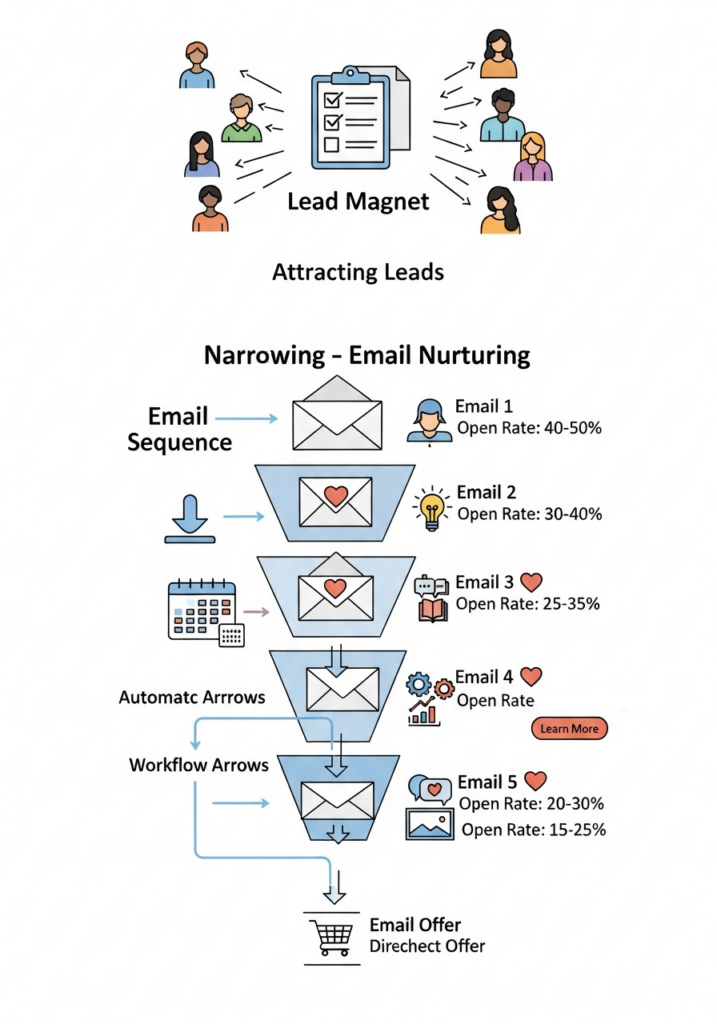
Despite the rise of social platforms, email remains the most reliable channel for affiliate income. It is an algorithm-proof asset you completely own, unaffected by platform updates or shifting trends. Email marketing continues to deliver an average of 42 USD for every 1 USD spent, giving affiliates a stable, high-ROI channel that compounds over time.
Many affiliates still ignore email because they chase fast wins on social media, expect instant results, or assume email is outdated. The truth is simple: the real money comes from backend nurturing. Email is the only channel where you maintain direct access to your audience without interference.
The simple email affiliate system:
Step 1: Create an irresistible lead magnet
A checklist like “10-Point SEO Audit Checklist” works great. A cheat sheet like “Affiliate Link Placement Guide” is simple to create. A mini-course like “5-Day Email to First $500” builds massive trust. A resource list like “50 Best Affiliate Programs by Niche” provides instant value.
Step 2: Set up simple email sequence
Welcome sequence (Days 1-5):
- Day 1: Deliver lead magnet plus introduction
- Day 2: Share your story and build trust
- Day 3: Valuable content (no selling)
- Day 4: Soft recommendation with affiliate link
- Day 5: Testimonial/case study plus affiliate offer
Weekly newsletter: 70% educational content, 20% personal stories/updates, 10% affiliate promotions. This ratio is critical—too much selling kills engagement.
Step 3: Promotional sequences
Use 5-7 email launch sequences for high-ticket items. Send monthly product roundups. Run seasonal promotion campaigns. Offer exclusive subscriber deals.
Tools to use: FleuntCRM for creator-focused, visual automation. GetResponse for budget-friendly, clean interface. Systeme.io for all-in-one (email plus funnel plus membership). ActiveCampaign for advanced automation when scaling.
Simple implementation:
- Choose email platform (GetResponse for beginners)
- Create one lead magnet this week
- Write 5-email welcome sequence
- Add opt-in to all content
- Send weekly newsletter consistently
Advanced tactic—segmentation: Tag subscribers by interest. Send targeted product recommendations. Track who clicks what (behavioral data). Personalize based on engagement. This is where the real money multiplies.
Expected results:
- Month 1-3: Build to 500-1,000 subscribers
- Month 4-6: $500-$1,500/month from list
- Month 12+: $3,000-$10,000/month with 10K+ engaged subscribers
The compounding effect of email is insane. Every subscriber you add today pays dividends for years.
Tactic #7: Niche Community Building Over Broadcasting
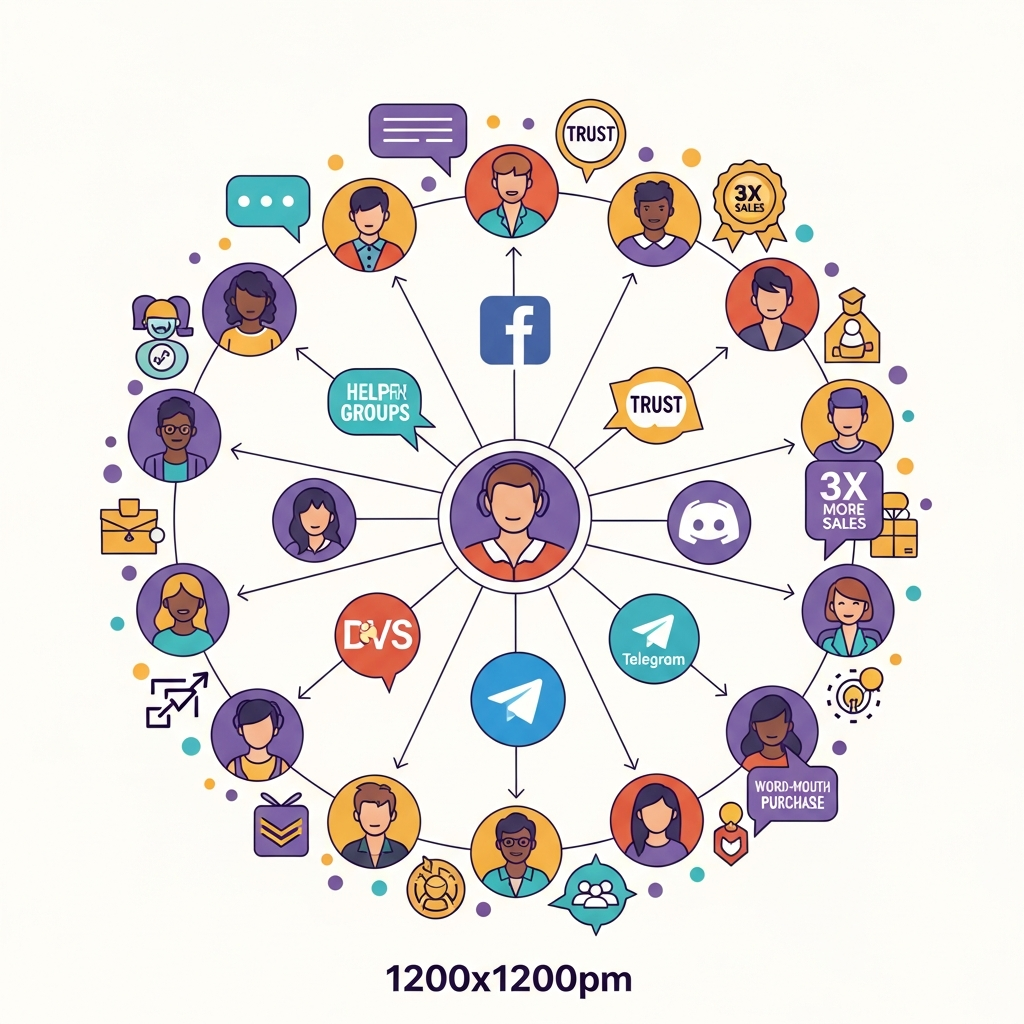
Here's something I wish someone had told me three years ago: broadcasting to 50,000 strangers makes less money than speaking to 500 people who know and trust you.
The shift happening: Marketers building communities—Facebook Groups, Discord servers, Telegram channels—are seeing higher click-through rates and sales because trust and engagement run deeper. Broadcasting to everyone equals low conversion. Speaking to your community equals high trust and high conversion.
Why communities win:
You have permission to market. Members joined knowing you recommend products—they want your recommendations. Engagement rates hit 10-20% versus 1-3% on public platforms. One-time customers become lifelong fans who buy repeatedly. Word-of-mouth kicks in—community members refer others organically.
Types of communities for affiliates:
- Facebook Groups work best for 30+ audiences. They're free to start and manage, you have a built-in audience on Facebook, and content sharing is easy.
- Discord Servers crush for tech/gaming/crypto niches. You get real-time chat and voice, channel organization by topic, and a younger demographic.
- Telegram Groups excel for urgent updates. Push notifications keep everyone engaged, quick broadcasts reach your audience instantly, and you tap into international audiences.
- Membership Sites like Circle.so or Mighty Networks work best for premium content. You generate recurring revenue plus affiliate income with an exclusive access model.
Simple implementation:
Phase 1: Foundation (Month 1). Choose your platform based on your audience demographics. Create clear community rules upfront. Define your niche and focus tightly. Launch with 10-20 founding members who can help set the culture.
Phase 2: Engagement (Month 2-3). Post daily value content—no selling yet. Ask questions and encourage discussion. Host weekly Q&A or live sessions. Share wins and testimonials to build social proof.
Phase 3: Monetization (Month 4+). Recommend tools you actually use with affiliate links. Share exclusive deals and bonuses for community members. Create community-only product launches. Partner with brands for member perks.
The 80/20 rule—this is critical: 80% free value (education, support, resources), 20% promotions (affiliate recommendations, launches). Flip this ratio and your community dies.
Content mix that works: Daily tips and quick wins keep engagement high. Weekly deep dives or tutorials build authority. Monthly product recommendations drive sales. Quarterly member meetups or challenges strengthen bonds.
Advanced strategy: Create a pinned “resources” section with your top affiliate tools. Post monthly “recommended stack” updates. Host brand Q&As with affiliate partners. Offer exclusive bonuses for community purchases that non-members can't get.
Expected results:
- 100-500 members: $200-$500/month affiliate income
- 500-2,000 members: $1,000-$3,000/month
- 2,000+ members: $3,000-$10,000+/month
The beautiful part? As your community grows, so does trust, which compounds your affiliate income exponentially.
3 Tactics to AVOID in 2026
Avoid Tactic #1: Chasing Every New Platform and Trend
I see this mistake destroy affiliate businesses every single week. Someone's building momentum on YouTube, then Threads launches and they abandon everything to start there. Three months later, they're on Lemon8. Six months after that, some new platform emerges and the cycle repeats.
Know what they have? Zero income and eight half-built accounts going nowhere.
The mistake: Jumping to every new platform (Threads, Lemon8, whatever's next). Starting over each time. Never building momentum anywhere. Spreading yourself too thin across 8+ platforms.
Why this fails spectacularly:
Algorithms favor consistent creators. It takes 90 days minimum to gain any real traction. Different audiences on each platform mean your message gets diluted. You have no time to master platform-specific strategies.
The reality check: Affiliates promoting 20 things in 60 days usually underperform compared to those promoting 3 things well. Most successful affiliates master 1-2 platforms, not 10. Half in on three things doesn't equal all in on one.
What to do instead:
- Choose your primary platform: Where is your target audience actually hanging out? Where do YOU enjoy creating content? YouTube, Instagram, or TikTok—pick ONE and commit.
- Add ONE secondary platform: Repurpose content—don't create from scratch. Use tools like Repurpose.io to automate this. Cross-post strategically, not randomly.
- Master before moving: Spend 90 days minimum on your primary platform. Hit 10K followers or 1K email subscribers. Generate your first $1,000 in affiliate commissions. THEN consider expanding.
Warning signs you're doing this:
- Active on 5+ social platforms
- Started 3+ new accounts in last 6 months
- Can't remember when you last posted on each
- No platform has over 5K followers
Action step: Delete or pause 3 platforms this week. Go all-in on your best one. Watch what happens when you stop dividing your attention.
Avoid Tactic #2: Promoting Products You've Never Used
One of the biggest traps affiliates fall into is promoting products they have never used. The commission rate looks tempting, so they write a “review” based entirely on the brand’s website. They hope no one notices. But people do notice. In 2026, audiences are smarter, algorithms are stricter, and Google rewards content backed by real experience through E-E-A-T.
Why this backfires:
- Readers can instantly tell when a review lacks firsthand insight.
- Google prioritizes content written from real usage and expertise.
- Trust is fragile. Once broken, it rarely comes back.
- High refund or chargeback rates reduce commissions and trigger program penalties.
The long-term damage is significant. Your audience stops believing any recommendation you make. Affiliate networks may suspend or ban your account for misleading claims. Negative comments and bad reviews compound the issue. Low-quality content signals can even harm your entire site’s ranking.
A real example: an affiliate publishes a fake software review. Users buy it. The product doesn’t match the claims. Users request refunds. The affiliate loses commissions and damages their reputation in the process.
What to do instead:
- Only promote what you've used. Actually purchase and test products. Use them for at least 30 days before reviewing. Document your results with screenshots and real data. Share both pros AND cons—the cons build more trust than you'd think.
- If you can't afford it: Request a free trial or demo from the company. Ask for affiliate review access—many brands provide this. Partner with someone who owns it and can verify claims. Don't promote until you have real access.
- Be transparent. Say “I've been using this for 6 months…” and mean it. Show real results and screenshots with your branding visible. Address limitations honestly—no product is perfect. Explain who it's NOT for—this actually increases conversions from the right buyers.
- Build authority. Become known for honest reviews. Develop a reputation for thorough testing. Create comparison content showing multiple options. Your honesty becomes your differentiator in a sea of fake reviews.
The trust economy: One fake review noticed equals 100 lost sales. One honest “this isn't for you” creates a loyal follower who'll buy your next 10 recommendations. Long-term success requires short-term honesty.
Action step: Audit your promoted products right now. Remove anything you haven't personally used. Yes, even if it's making money. Your long-term income depends on it.
Avoid Tactic #3: Ignoring Mobile Optimization
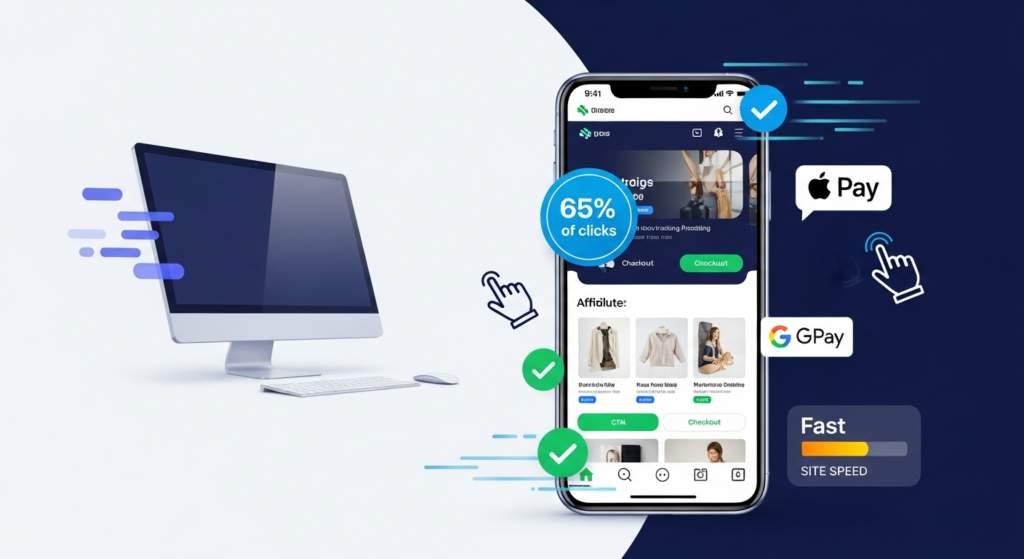
Many affiliates still create content for desktop screens, forgetting that nearly all affiliate traffic now flows through mobile devices. Slow-loading pages, cramped layouts, and clunky checkouts turn potential buyers away instantly. If your content is not optimized for mobile, you are losing the majority of your commissions.
The reality:
- More than half of all affiliate clicks come from smartphones.
- Mobile is expected to account for over 65 percent of affiliate clicks by 2027.
- If your content struggles on mobile, you lose up to 65 percent of potential conversions.
Where mobile failures show up:
- Slow site speed. Mobile users abandon after 3 seconds. Every 1-second delay equals 7% fewer conversions. Images not optimized for mobile make pages crawl.
- Poor mobile design. Text too small to read without zooming. Buttons too small to tap accurately. Horizontal scrolling required to see content. Forms difficult to fill on a small screen.
- Complicated checkout. Multiple steps to complete a purchase. No mobile payment options like Apple Pay or Google Pay. Long forms requiring constant keyboard switching between numbers and letters.
- Broken mobile experience. Pop-ups covering all the content with no way to close them. Videos don't play on mobile browsers. Affiliate links aren't clickable or tap targets are too small. Navigation menus don't work properly on touchscreens.
What to do instead:
- Test everything on mobile FIRST. View all your content on your phone before publishing. Test affiliate links on multiple mobile devices. Check site speed with Google PageSpeed Insights. Use mobile-responsive themes and templates.
- Optimize for mobile. Use short paragraphs—2-3 sentences maximum. Create large, thumb-friendly buttons for CTAs. Design clear, simple navigation. Use fast-loading, compressed images.
- Mobile-first content strategy. Create vertical video (9:16 ratio) for TikTok, Reels, and Stories. Use scannable formatting with bullet points. Produce short-form content that's easy to consume on the go. Make CTAs prominent and easy to tap.
- Check your analytics. What percentage of your traffic is mobile? What's your mobile bounce rate compared to desktop? Are mobile visitors actually converting? Where are mobile users dropping off in your funnel?
Quick wins you can implement today: Install a mobile-responsive WordPress theme. Compress all images with TinyPNG. Enable AMP (Accelerated Mobile Pages). Add mobile-friendly pop-up alternatives that don't cover content. Use sticky bottom bars for CTAs that follow users as they scroll.
Action step: Pull up your site on your phone right now. Try to complete a purchase. Can you do it easily? If you're frustrated, your audience is too. Fix it today, not tomorrow.
How to Choose Which Trends to Implement First
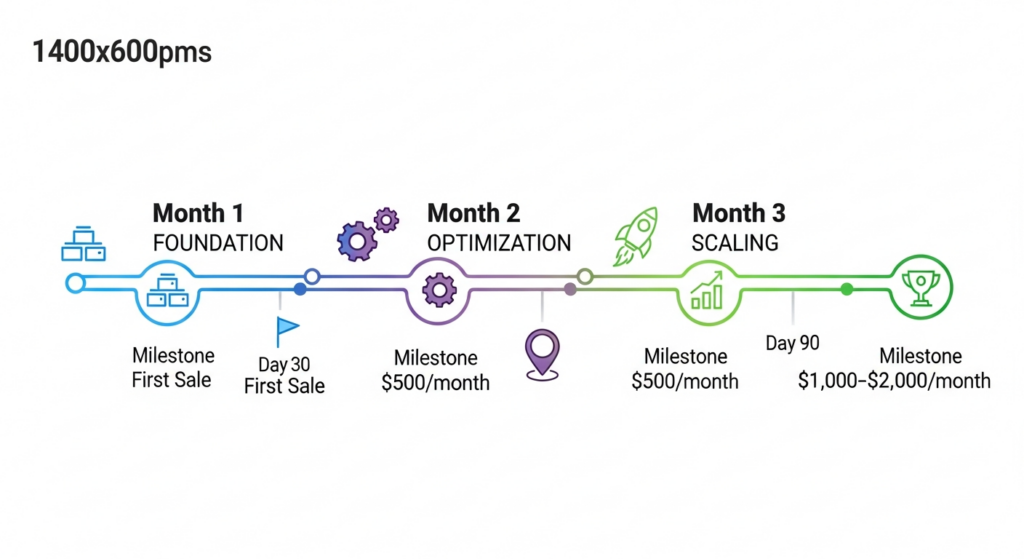
Here's the mistake I see constantly: beginners trying to implement advanced tactics and wondering why nothing works. Or worse, advanced affiliates ignoring fundamentals and hitting income plateaus.
Match your tactics to your experience level.
For Beginners (0-6 months): Start with:
- Micro-influencer positioning (Tactic #2) – You don't need a massive following to start earning
- Email list building (Tactic #6) – Build your only algorithm-proof asset from day one
- One primary platform mastery – Pick YouTube, Instagram, or TikTok and go deep
Avoid: Complex tracking systems that'll confuse you. Multiple platforms that'll spread you thin. High-ticket promotions until you have authority—nobody trusts a brand-new affiliate with $2,000 software recommendations.
For Intermediate (6-18 months): Add:
- AI content automation (Tactic #1) – Now you have workflows to automate
- High-ticket programs (Tactic #4) – You've built enough authority to recommend premium products
- Cookieless tracking setup (Tactic #3) – Protect your growing income with proper attribution
Continue: Building your email list aggressively. Deepening your niche expertise through consistent content.
For Advanced (18+ months): Scale with:
- TikTok Shop/Livestream (Tactic #5) – Requires confidence and presentation skills you've now developed
- Community building (Tactic #7) – You have an audience ready to gather around you
- Advanced automation and AI – Stack multiple systems for maximum efficiency
Priority Matrix:
- High Impact + Easy to Implement: Email list building (start today), mobile optimization (quick fixes available), AI content tools (plug and play).
- High Impact + Requires Effort: High-ticket programs (need authority first), cookieless tracking (technical setup required), community building (demands daily engagement).
- Lower Priority: New platform experiments (distraction), complex automation (overkill for most), enterprise-level tools (expensive and unnecessary early on).
Focus on what moves the needle for your current level. Master fundamentals before adding complexity.
Final Thoughts:
In this affiliate marketing trends’ post, we’ve seen that the affiliate marketing landscape in 2026 rewards depth over breadth, authenticity over volume, and long-term relationship building over quick wins. The industry hit $12.10 billion in 2024 and is projected to reach $32.30 billion by 2033. The opportunity is massive and growing.
But here's the truth that separates winners from everyone else: most affiliates will read this article, nod along, maybe save it for later, and do absolutely nothing. They'll go back to chasing the next shiny tactic or complaining that affiliate marketing doesn't work anymore.
The top 10%? They'll pick 2-3 tactics from this guide, implement them consistently for 90 days, track their results, and adjust based on what actually converts. They'll build real businesses while others are still “researching.”
Which group will you be in?
The trends outlined here aren't theoretical. They're backed by $18.5 billion in global industry data and real affiliate success stories. Choose Wheels recovered from a Google penalty and boosted organic traffic 124% in 6 months with conversions up 526%. Kit's affiliate program fueled $38 million in recurring revenue in 2023 through 50% commissions.
This works. But only if you work it.
Start small. Stay consistent. Scale what works.
Now stop reading and go implement something. Your first affiliate sale is waiting.