
11 Untapped Niche Ideas for Affiliate Marketing (Found Using This 5-Minute Trick)


Still chasing saturated affiliate niches like fitness, finance, or “make money online” … and wondering why nothing’s working?
The harsh truth is that 80% of affiliate marketers fail because they jump into overcrowded spaces like weight loss, make money online, or general finance without a strategy. While these niches generate billions, the competition is so fierce that newcomers rarely see meaningful returns.
But here's what most affiliates miss: the real money isn't in the massive, obvious niches. It's in the weird corners with raving fans that nobody else is serving. What you need is a smarter way to find these niches.
This article gives you exactly that: a practical 5-minute method to uncover low-competition, high-conversion micro-niches. You’ll also uncover 11 specific niche ideas for affiliate marketing you can start building content around today. No guesswork. No fluff. Just real opportunities.
TL;DR: Most affiliate marketers fail because they compete in oversaturated niches. The solution is finding specific, underserved micro-niches using a systematic 5-minute research method that combines interest-driven keyword brainstorming, community deep dives, product gap analysis, and affiliate program validation. This approach reveals profitable opportunities with passionate audiences and minimal competition.
What Exactly is an “Untapped” Niche in Affiliate Marketing?
Well, what exactly is an “untapped” niche in affiliate marketing?
When most people hear “niche,” they think of broad categories like fitness, travel, or personal finance. But those aren’t niches – they’re industries. A real affiliate niche goes deeper. And an untapped niche? That’s where the gold is.
An untapped niche isn’t something obscure or unheard of. It’s usually a micro-niche – a narrow, specific segment within a larger category that’s underserved, overlooked, or just poorly targeted by other affiliates. Think “budget travel gear for solo female digital nomads” rather than just “travel.”
The reason is that most affiliates ignore these smaller markets. They assume there’s not enough traffic or money there. But that’s a myth. Micro-niches often convert better because they attract motivated users with very specific needs. They also face less SEO competition, giving new affiliate sites a fighting chance to rank.
The Anatomy of a Profitable, Low-Competition Niche
To qualify as an untapped niche that’s actually worth your time, it needs to check a few boxes:
- Audience Size: The niche should be small enough to escape mass competition, but large enough to support affiliate revenue. Aim for search volumes in the 1K–10K/month range for core keywords.
- Product Availability: There must be affiliate programs or promotable products in the space. Check platforms like ShareASale, CJ Affiliate, Impact, or Amazon Associates.
- High Buyer Intent: Look for long-tail keywords that signal urgency, like “best,” “top-rated,” “for [specific need],” or “under $100.” These often indicate users are close to making a purchase.
- Content Gaps: If you notice low-quality or generic content ranking for specific searches – or entire questions going unanswered – that’s your opening. Fill those gaps with value-rich content, and you’ll stand out.
The “5-Minute Trick” to Uncover Hidden Affiliate Marketing Niches
Let’s be honest – most people overcomplicate niche research. You don’t need expensive tools or weeks of analysis to spot a profitable affiliate niche. What you do need is a smart process.
Here's the systematic process I use to find untapped niches consistently. It combines free online tools with a logical thinking framework that anyone can follow.
The beauty of this method is its simplicity. You don't need expensive keyword tools or complex market research. Just 5 minutes, a curious mindset, and these four steps.
Step 1: The “Interest-Driven Keyword Brainstorm”
Start with something you’re genuinely curious about or have experience with. Passion isn’t everything, but it makes the process easier and more sustainable.
Use Google Autocomplete, People Also Ask (PAA), and Related Searches to uncover long-tail variations and overlooked angles.
- Type in a broad interest like “gardening”
- PAA might show: “How do you set up hydroponic gardening indoors?”
- Related searches could include: “hydroponic grow kits for beginners,” “small space gardening solutions.”
Write down every idea that looks like a problem people are trying to solve.
Step 2: The “Forum & Community Deep Dive”
Next, look for online communities – Reddit, Facebook Groups, specialized forums – where people talk about your topic.
Watch for:
- Repeated questions with few answers
- Complaints about bad products or missing solutions
- Requests for recommendations or how-tos
Example: In a hydroponics forum, you may find threads like “Best natural pest control for hydroponic basil?” That’s a real problem, and most likely, underserved.
Step 3: The “Amazon/Etsy/Specialty Store Product Gap Analysis”
Now test the demand. Go to Amazon, Etsy, or niche ecommerce stores and search for the exact phrases you found.
Look for:
- Products in very specific subcategories
- Items with low review counts but solid sales
- “Currently unavailable” listings with strong interest signals
Example: Search “hydroponic pest control” on Amazon. You might find only 2–3 products with limited options – this signals a potential product gap.
Step 4: The “Affiliate Program Availability Check”
Before committing, make sure you can monetize the niche.
Search:
- “[product/niche] affiliate program”
- Check networks like ShareASale, CJ Affiliate, Impact, or brand websites directly
Example: Google “hydroponic pest control affiliate program”. If companies are offering 10–30% commissions on low-competition products, you’re looking at a viable niche.
11 Untapped Niche Ideas for Affiliate Marketing (Discovered Using the 5-Minute Trick)
Alright, let's get into the heart of it. Here are 11 untapped niche ideas for affiliate marketing, all discovered using our “5-Minute Trick.”
Niche 1: Sustainable Home Composting Solutions
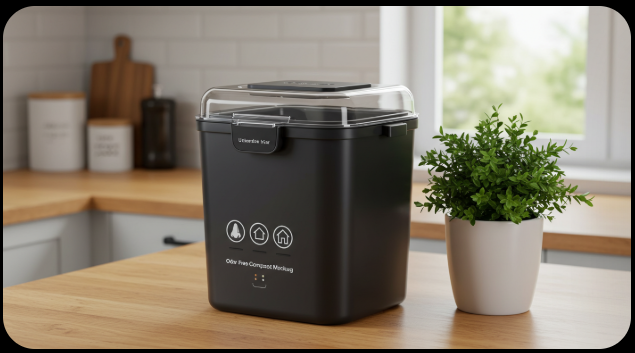
Why it's untapped: Everyone talks about “going green,” but most affiliate marketers are still pushing generic eco-friendly products. Here's the thing – urban dwellers want to compost, but they're stuck in apartments with no yard space and terrified of creating a smelly mess. Traditional composting advice doesn't work for city life, which creates a massive gap in practical solutions.
I discovered this niche using my 5-minute trick when I searched “apartment composting problems” on Reddit. The complaints were endless: “My compost bin stinks up my kitchen,” “I don't have space for a big composter,” “Fruit flies took over my place.” These people have money and motivation – they just need the right products.
Potential affiliate products:
- Indoor compost bins with odor-control technology
- Countertop Bokashi composting systems
- Compact worm farms designed for apartments
- Compost starter kits
- Educational courses on urban composting
- Specialized composting accessories like charcoal filters
Companies like Full Circle Home and SCD Probiotics offer solid affiliate programs with 8-15% commissions. The beauty here? These customers often buy multiple products to build their complete composting setup.
Niche 2: Specialized Ergonomic Office Furniture for Specific Conditions

Why it's untapped: Everyone's promoting “best ergonomic chairs” and competing in a bloodbath with massive furniture retailers. But here's what I found – people with specific medical conditions are desperately searching for targeted solutions, not generic office furniture. When I used my 5-minute trick and searched “chair for herniated disc” and “desk setup carpal tunnel,” I found thousands of people asking detailed questions with zero helpful affiliate content addressing their exact needs.
These aren't casual buyers browsing Amazon. These are people dealing with daily pain who'll pay premium prices for products that actually help their specific condition. They're also more likely to trust detailed reviews from someone who understands their struggle, making them ideal for content-driven affiliate marketing.
Potential affiliate products:
- Ergonomic chairs specifically designed for lower back issues
- Specialized keyboard and mouse combinations for carpal tunnel syndrome
- Adjustable standing desks for shorter individuals
- Lumbar support cushions for sciatica relief
- Monitor risers for people with neck problems
Programs like Herman Miller's affiliate network and specialized ergonomic retailers offer 5-12% commissions on high-ticket items. One targeted review post about “best chair for L5-S1 disc problems” can generate serious passive income.
Niche 3: Niche Pet Care for Exotic or Less Common Pets
Why it's untapped: Pet care is massive, but everyone's fighting over dog and cat products. Meanwhile, exotic pet owners are completely underserved and willing to pay premium prices for specialized care. Using my 5-minute trick, I searched Facebook groups for “bearded dragon care” and “axolotl problems” – the demand is incredible, but there's barely any quality affiliate content targeting these communities.
These pet owners are passionate, engaged, and often struggle to find proper supplies locally. They're also part of tight-knit online communities where word-of-mouth recommendations spread fast. I've seen single blog posts about “best UVB lights for bearded dragons” generate $2,000+ monthly because the audience is so targeted and underserved.
Potential affiliate products:
- Specialized terrariums and habitat setups
- Exotic pet food and supplements
- Heating and lighting systems for reptiles
- Water filtration systems for aquatic pets
- Health monitoring devices
- Educational guides for specific species care.
Companies like Josh's Frogs, ReptiFiles, and Pangea Reptile offer affiliate programs with 5-15% commissions. The key is getting specific – don't target “reptile care,” target “crested gecko calcium supplementation,” or “axolotl tank cycling guide.”
Niche 4: Hyper-Local Travel Experiences & Staycations (Post-Pandemic Focus)
Why it's untapped: Travel blogging is saturated with generic destination guides, but here's what I discovered using my 5-minute trick – people are craving unique experiences within driving distance of their homes. When I searched “hidden gems near [city name]” and “weekend getaways [specific state],” I found tons of engagement but zero quality affiliate content targeting these hyper-local searches.
Post-pandemic, people's travel habits shifted permanently. They want Instagram-worthy experiences without the hassle of airports and long trips. These searchers have immediate purchase intent – they're planning weekend trips right now, not someday vacations. The competition is practically non-existent because most travel affiliates are still chasing international destinations.
Potential affiliate products:
- Regional glamping site bookings through Hipcamp or Tentrr, local food tour companies
- Unique Airbnb experiences in specific areas
- Regional adventure gear rentals
- Artisanal food and wine from local producers
- Experience gift cards for specific cities.
Airbnb's affiliate program offers 3% on bookings, while experience platforms like GetYourGuide offer 8-12% commissions. One targeted post about “5 Hidden Hot Springs Within 2 Hours of Denver” can generate consistent bookings year-round.
Niche 5: DIY Home Automation for Budget-Conscious Users
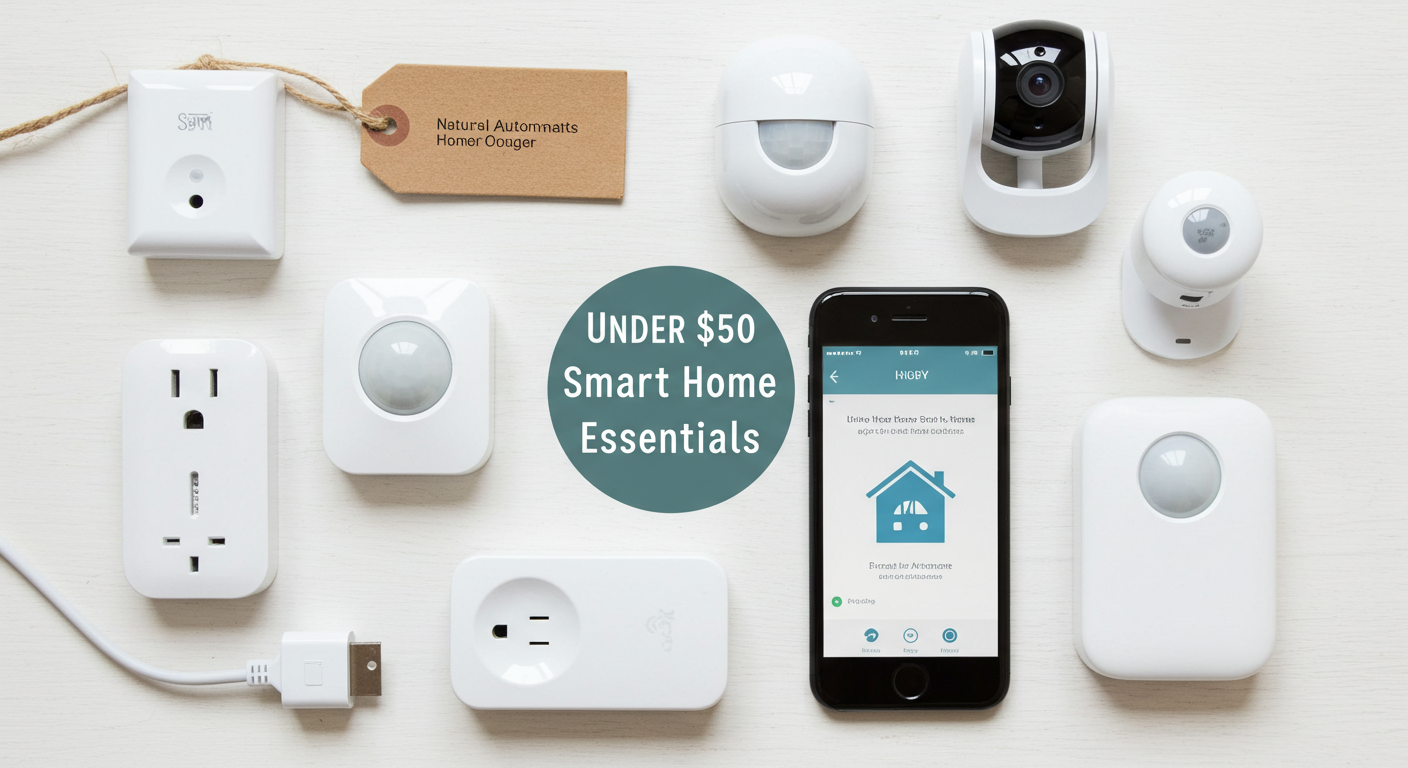
Why it's untapped: Smart home content is everywhere, but it's all focused on expensive, professionally installed systems. Using my 5-minute trick, I found massive Reddit communities like r/homeautomation filled with people asking, “How to automate my home for under $200.” These DIY enthusiasts want smart homes but refuse to pay premium prices or hire installers.
This audience is perfect for affiliate marketing – they research extensively before buying, they're willing to purchase multiple products to build complete systems, and they trust detailed tutorials over flashy marketing. Most smart home affiliates ignore this segment because the individual product prices are lower, but these customers buy way more items.
Potential affiliate products:
- Budget-friendly smart plugs and switches from brands like Kasa and Wyze
- DIY security camera systems
- Open-source automation hubs like Home Assistant hardware
- Smart lighting starter kits
- Affordable door sensors
- And budget home monitoring devices.
Amazon Associates works well here with 4-8% commissions, plus direct programs with companies like Wyze offer 5-10% rates. The key is creating step-by-step installation guides that naturally recommend the exact products needed.
Niche 6: Sustainable & Eco-Friendly Art Supplies
Why it's untapped: Art supply affiliate marketing typically focuses on big brands and professional-grade materials. But my 5-minute trick revealed a growing community of environmentally conscious artists searching for “non-toxic art supplies” and “sustainable painting materials.” These artists are willing to pay premium prices for products that align with their values, yet there's virtually no affiliate content serving this market.
The timing is perfect – younger artists especially care about environmental impact, and they're actively seeking alternatives to traditional art supplies loaded with harmful chemicals. These aren't bargain hunters; they're values-driven buyers who research extensively and trust recommendations from fellow eco-conscious creators.
Potential affiliate products:
- Plant-based watercolor paints
- Recycled paper sketchbooks
- Bamboo paintbrush sets
- Natural pigment suppliers
- Non-toxic acrylic paints
- Sustainable canvas alternatives
- And eco-friendly craft kits for kids.
Companies like Natural Earth Paint and Eco-Kids offer 10-20% affiliate commissions. Art supply retailers like Cheap Joe's have growing eco-friendly sections with standard 5-8% rates. A single review post comparing “best non-toxic acrylic paints for children's art” can tap into the massive parent market willing to spend extra for safe products.
Niche 7: Digital Detox & Mindfulness Gadgets/Apps

Why it's untapped: We're drowning in screens, and people are finally waking up to it. The average person checks their phone 144 times daily, and frankly, we're all getting tired of being digital zombies. While everyone's promoting generic meditation apps, the real money is in physical tools that actually force disconnection.
This isn't just another wellness trend – it's a necessity. Remote workers spend 10+ hours staring at screens, parents worry about their kids' screen addiction, and professionals are burning out from constant notifications. The solution? Products that create intentional barriers between us and our devices.
Potential affiliate products:
- Phone locking time containers (like Kitchen Safe)
- Blue light blocking glasses for evening use
- Dedicated e-readers that don't ping with notifications
- Analog alarm clocks that encourage phone-free bedrooms
- Desktop phone holders that keep devices physically away from your workspace.
The beauty of this niche is that buyers are motivated by genuine need, not impulse – they're investing in their mental health and sleep quality.
Target audience: Busy professionals, concerned parents, students struggling with focus, and anyone experiencing digital overwhelm. Commission rates on wellness gadgets typically range from 5-15%, but the repeat purchase potential is high.
Niche 8: Specialized Fitness Equipment for Small Spaces/Apartments
Why it's untapped: Home fitness exploded during 2020, but most content focuses on expensive, space-hungry equipment that doesn't work for 65% of people living in apartments or small homes. The real opportunity lies in solving the space problem, not just promoting another treadmill.
City dwellers, renters, and anyone without a dedicated home gym need solutions that disappear when not in use. Traditional fitness affiliate content ignores this massive segment because it's easier to promote big-ticket items. Smart affiliates target the “I want to work out at home but have zero space” crowd.
Potential affiliate products:
- Under-desk ellipticals for working professionals
- Foldable treadmills that slide under beds
- Resistance band systems with door anchors
- Suspension trainers, compact rowing machines
- Modular home gym systems that convert from storage ottoman to full workout station.
- Accessories like wall-mounted pull-up bars and compact yoga mats.
Your audience includes apartment renters, college students in dorms, professionals in small condos, and anyone who moves frequently. These buyers are price-conscious but willing to pay premium for space-saving functionality. Commission rates vary from 3-12%, with higher rates on specialized equipment from smaller manufacturers who need affiliate partners more than major brands do.
Niche 9: Gourmet Mushroom Cultivation Kits & Supplies
Why it's untapped: The self-sufficiency movement is huge, but everyone's talking about tomatoes and herbs. Meanwhile, gourmet mushroom cultivation is exploding among foodies, health-conscious consumers, and sustainability enthusiasts who want something unique and profitable to grow at home.
Oyster mushrooms sell for $6-8 per pound at farmers markets, shiitake goes for $8-12, and specialty varieties like lion's mane can hit $15+ per pound. People are discovering they can grow restaurant-quality mushrooms in their basement or spare closet year-round. The learning curve creates demand for educational content and specialized supplies that grocery stores don't carry.
Potential affiliate products:
- All-in-one mushroom growing kits for beginners
- Liquid culture syringes for advanced growers
- Specialized growing substrates
- Humidity and temperature controllers
- Harvesting tools, and educational courses on mycology
- Books, ph testing kits, and sterilization equipment.
Your target audience includes urban homesteaders, health-conscious foodies, people interested in alternative protein sources, and hobbyists who want a unique growing project. This crowd tends to be educated, willing to invest in quality supplies, and interested in ongoing education. Commission rates on specialty growing supplies often range from 8-20% since these aren't mass-market products available everywhere.
Niche 10: Personalized Nutrition for Specific Dietary Needs (Beyond Common Diets)
Why it's untapped: Everyone's fighting over keto and vegan keywords, but millions of people struggle with specific dietary restrictions that barely get mentioned. I'm talking about low-histamine diets for people with mast cell disorders, oxalate-free eating for kidney stone sufferers, or SIBO-specific protocols that eliminate certain fiber types.
These aren't trendy lifestyle choices – they're medical necessities. People following these diets often can't find suitable products in regular stores and are willing to pay premium prices for ingredients and guidance that actually work for their condition. The competition is minimal because most affiliate marketers don't even know these dietary approaches exist.
Potential affiliate products:
- Specialty ingredient suppliers like low-histamine spices
- Oxalate-tested foods
- FODMAP-certified products
- Diagnostic kits for food sensitivities
- Specialized cookbooks written by nutritionists familiar with these protocols
- Targeted supplement lines designed for specific gut health issues
- Meal planning apps designed for restrictive diets, and consultation services with certified practitioners.
Your audience includes people diagnosed with specific health conditions, parents of children with food sensitivities, and health-conscious individuals who've discovered mainstream diets don't address their unique needs. These buyers research extensively before purchasing and often become loyal customers once they find solutions that work.
Niche 11: Vintage Computing & Retro Gaming Restoration
Why it's untapped: While gaming affiliate programs focus on the latest consoles and hardware, there's a passionate community of collectors restoring 1980s and 1990s computers and gaming systems. These enthusiasts have disposable income and pay premium prices for hard-to-find parts and specialized tools.
This isn't just nostalgia – it's preservation. People are rescuing Commodore 64s, original Game Boys, and classic arcade cabinets from landfills. They need capacitors, replacement screens, custom cables, and restoration guides that you won't find at Best Buy. The community is tight knit but underserved by mainstream affiliate content.
Potential affiliate products:
- Replacement capacitors and electronic components for vintage systems
- Specialized cleaning solutions for old plastic and circuit boards
- Reproduction cartridge shells and labels
- FPGA-based console clones
- Flash cartridges for homebrew games
- Educational content like repair manuals, video tutorials, and tool recommendations
Target collectors in their 30s-50s with steady income who view restoration as both hobby and investment. Original Nintendo cartridges can sell for hundreds, and fully restored arcade cabinets go for thousands. Commission rates vary widely, but specialty electronics suppliers often offer 10-25% on niche restoration supplies.
How to Validate Your Chosen Untapped Niche's Profitability
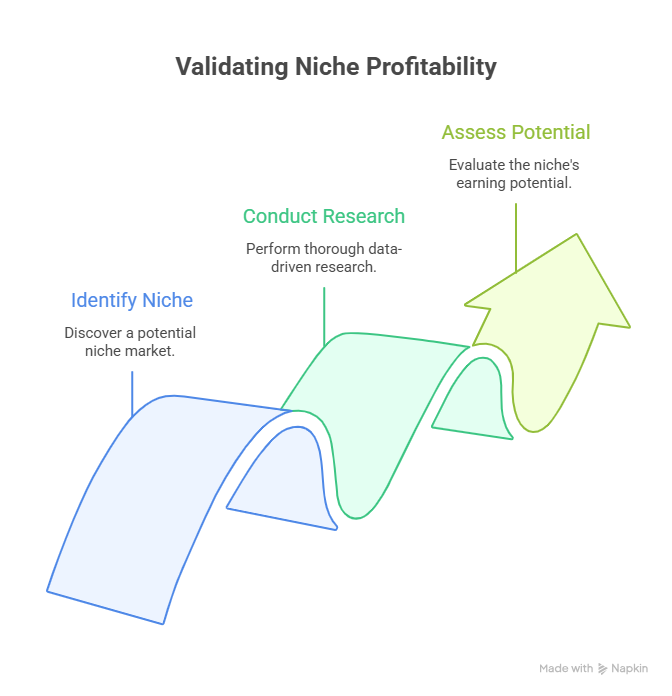
Finding an untapped niche is only step one. Before you invest time and content into it, you need to validate whether that niche can actually make money. Here's how to move beyond the quick 5-minute trick and do deeper, data-driven research to confirm a niche's earning potential.
Beyond the “5-Minute Trick”: Deeper Research Techniques
1. Analyze Search Volume and Competition: Start by entering your core niche keyword into tools like Ahrefs, SEMrush, or Google Keyword Planner. You’re looking for:
- Search volume: Ideal range for untapped niches is 1K–10K monthly searches
- Keyword difficulty: Lower difficulty (under 30 KD) usually means less competition
- Long-tail variants: Look for terms with buyer intent like “best,” “cheap,” “for [specific problem],” vs. “” etc.
2. Evaluate Community Engagement: A profitable niche often has a passionate, active community. Check for:
- Forums with regular threads (e.g., niche subreddits, Facebook groups)
- Consistent YouTube uploads, blog posts, or newsletters on the topic
- User-generated content like product reviews or Reddit AMAs
If people are constantly asking and answering questions, the market exists.
Assessing Affiliate Program Availability and Commission Rates
Not all niches are equally profitable – some simply have better affiliate products.
- Look for affiliate programs with recurring or high-ticket payouts
- Use platforms like ShareASale, CJ Affiliate, Impact, or direct brand programs
- Compare commission rates: Is it 4% on Amazon or 30% recurring from a SaaS product?
Pro tip: Sometimes, a lower-volume niche with high-margin products can outperform a high-volume, low-commission one. It’s about earnings per click, not just traffic.
Understanding Audience Pain Points and Solution Demand
The best affiliate niches solve specific, painful problems. Always ask: “What problem is this person trying to fix – and how does this product help?”
Search Amazon reviews, blog comments, or YouTube video feedback. Look for:
- Repeated complaints about missing features or bad quality
- Suggestions like “I wish this came with…” or “This didn’t work for my issue…”
These gaps are opportunities. Create content that addresses those concerns and recommends better products.
Validating your niche ensures you're not just chasing ideas – you’re building something with real income potential.
Building Authority and Trust in Your Chosen Niche
Once you've validated your untapped niche, the next critical step is building authority and trust. This isn't just about getting clicks; it's about becoming a go-to resource for your audience. When you establish credibility, your recommendations carry more weight, leading to higher conversions and long-term success in affiliate marketing.
Content is King: How to Create Value-Driven Content
To build real authority in a niche, your content has to solve problems. Period. The best-performing affiliate content includes:
- How-to guides (e.g., “How to Set Up a Worm Composting Bin Indoors”)
- Product reviews and comparisons
- Problem/solution posts (e.g., “Best Office Chairs for Sciatica Relief”)
- Beginner tutorials or niche-specific FAQs
- Case studies or firsthand experiments
These content types earn trust, rank well, and convert.
As for SEO? Don't stuff keywords. Instead, use LSI (Latent Semantic Indexing) and NLP-friendly phrases naturally by fully covering the topic. For example, if you’re writing about “smart plugs,” include related terms like “Wi-Fi outlet,” “smart home automation,” or “energy-efficient plug.” This helps AI-powered search engines understand your content holistically.
The Power of Personal Experience and Authenticity
Readers can tell when you're faking it. Sharing your own journey – what worked, what didn’t, which products you actually use – builds trust fast. Personal anecdotes help readers relate to you, and they differentiate your blog from a generic listicle.
Beyond the Blog: Expanding Your Niche Reach
To scale, you need to reach your audience where they hang out:
- YouTube for tutorials and reviews
- Pinterest for visual niches (DIY, wellness, pet care)
- Instagram and TikTok for product demos and bite-sized advice
- Reddit and Facebook Groups for organic conversations
Omnichannel content boosts traffic and conversions, especially in narrow niches.
Common Pitfalls to Avoid When Entering a New Niche
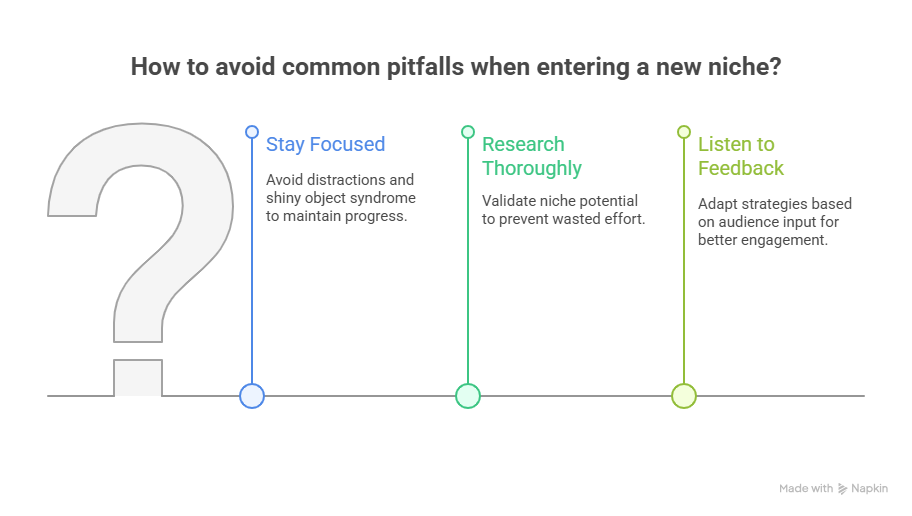
Entering a new affiliate marketing niche, especially an untapped one, comes with its own set of challenges. Knowing what to avoid can save you significant time and frustration. Many aspiring affiliate marketers stumble because they fall into common traps that derail their progress.
The “Shiny Object Syndrome”: Staying Focused
One of the biggest traps new affiliates fall into is jumping from one niche to another at the first sign of slow results. Don’t do it. Even great niches take time to build authority. Give your strategy at least 90 days of consistent content and promotion before reassessing.
Every time you pivot, you lose momentum – and potentially abandon a niche that could’ve worked if you stuck with it.
Underestimating the Research: Don't Skip Validation Steps
Yes, the “5-minute trick” gives you a solid head start – but it’s not enough on its own. You still need to:
- Validate search volume and buyer intent
- Analyze competition quality
- Check affiliate program availability
Skipping these steps means you risk building around a niche that no one’s searching or buying in.
Ignoring Audience Feedback: Listen and Adapt
Once you start publishing, listen. Track:
- Comments and questions
- Search terms people use to find your site
- Products that actually convert
Your audience will tell you what they care about – if you're paying attention. Use that feedback to refine your content, shift angles, or discover related micro-niches worth exploring.
Conclusion: Your Untapped Niche Awaits!
The affiliate marketing landscape is changing fast, with nearly 10% annual growth expected through 2031. While everyone fights in oversaturated markets, you now have the tools to find profitable, underserved segments.
The 5-minute trick isn't magic – it's systematic opportunity hunting. By combining interest-driven brainstorming, community research, product gap analysis, and affiliate program verification, you're finding niches where brands using affiliate marketing average $15 return for every $1 spent.
Success lies in finding those less competitive, high-intent segments where your content can actually rank, your audience trusts your recommendations, and your affiliate commissions compound over time.
Start your niche discovery journey today. Pick one of the 11 niche ideas for affiliate marketing we covered or use the 5-minute trick to discover your own. Remember, over 80% of brands use affiliate marketing – the opportunities are endless for marketers willing to look beyond the obvious choices.
Your turn: Got a niche idea of your own? Questions about how to apply this method? Drop a comment below – I’d love to hear what you're working on.
Frequently Asked Questions
-
What niche is trending right now?
A trending niche in 2025 is digital wellness, including digital detox tools, mindfulness gadgets, and screen-free lifestyle products. Other fast-growing niches include eco-friendly living, DIY smart home tech, and personalized nutrition. These niches show high search volume, rising buyer interest, and product availability.
-
What is the most profitable niche online?
The most profitable niche online is often personal finance, especially topics like investing, credit repair, and financial tools. This niche has high buyer intent and many high-ticket affiliate programs. However, it’s also very competitive. Micro-niches like digital nomad finance or student budgeting tools may offer better opportunities.
-
What are the three main niches?
Common broad niches include Health, Wealth (or Finance), and Relationships. These are foundational but highly competitive.
-
How do I know if my niche is profitable?
You know a niche is profitable when it has a clear audience with problems, available affiliate products, and evidence of buyer intent. Validation includes checking keyword volume, competition, and active communities.
-
Which niche is best for TikTok?
The best niche for TikTok is highly visual, engaging, and appeals to a younger, trend-driven audience. Niches that lend themselves to short-form video content, tutorials, or relatable entertainment perform well.
-
What is a profitable niche?
A profitable niche is a specific segment of a larger market with unmet needs. It has a defined audience, existing products to promote, and sufficient demand to generate consistent income.