What Are AI Social Agents? A Beginner’s Guide for Bloggers and Affiliate Marketers

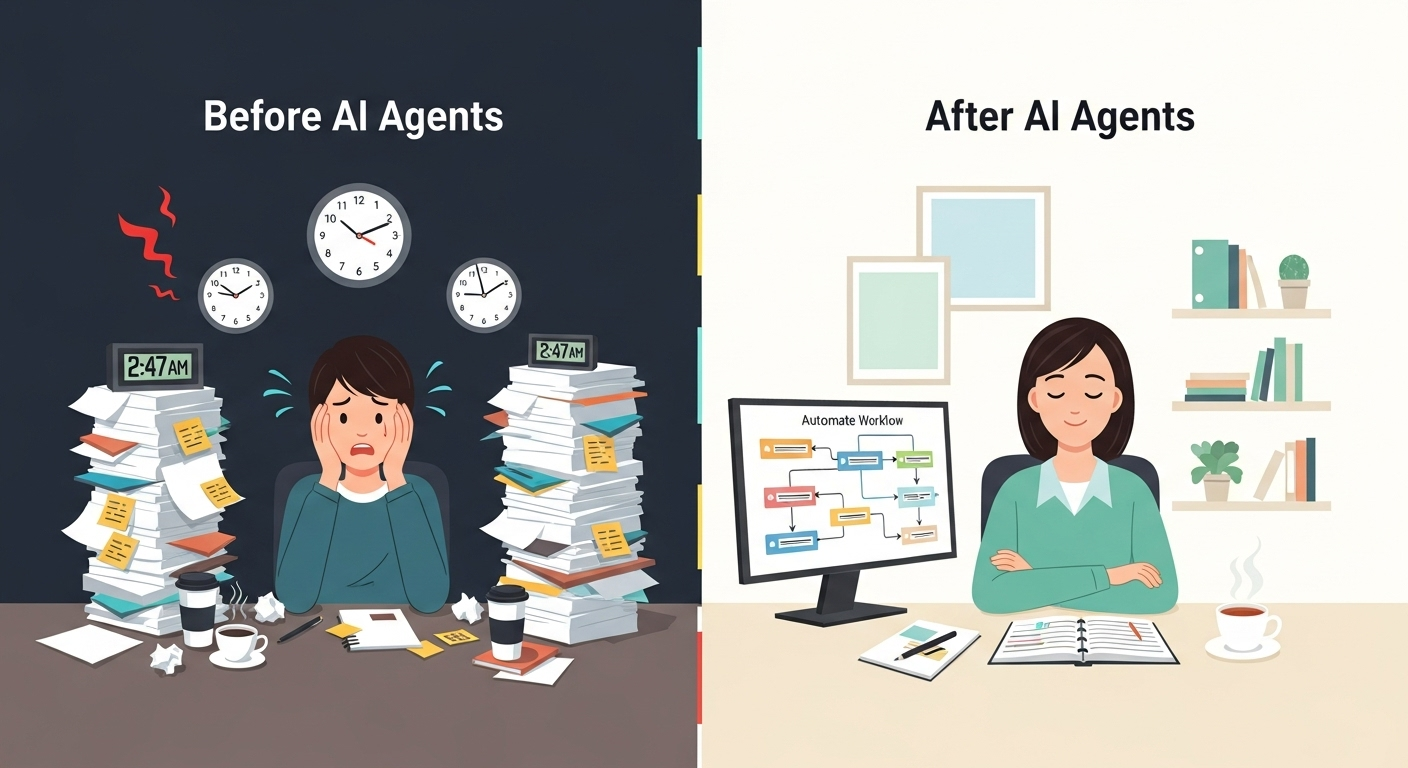
What if I told you that while you're manually crafting social media posts at 2 AM, your competitors are sleeping soundly while their AI agents are posting, engaging, and driving affiliate sales around the clock?
Sounds too good to be true, right? Well, that's exactly what's happening in 2025.
As an affiliate marketer and a blogger of over 10 years, I can confidently say that one of the biggest frustrations of the game is not having enough hours in the day for everything you need to do: juggling content creation, social media management, email sequences, and trying to actually make money from your affiliate promotions. In fact, keeping up with social media can quickly feel like a full-time job!
But the truth is, successful affiliate marketers don’t try to do all of these by themselves. They would rather deploy smart tools. That’s where AI social agents come in. These aren't your typical scheduling tools like Hootsuite or Buffer that just push out pre-written content, or content spinners that let you spit out hundreds of useless articles.
We're talking about AI-driven assistants that learn your brand voice, analyze your audience behavior, create original content, and actively engage with your followers—all while you focus on what actually moves the needle in your business.
The result? Less grind, more reach, and a scalable way to grow your influence without burning out.
Key Takeaways:
- AI social agents are intelligent digital assistants built to handle social media creation, customization, and automation.
- They save time, boost engagement, and help bloggers/affiliates scale content distribution.
- This article explains how they work, why they matter now, and how you can start using them today.
What Is an AI Social Agent?
An AI social agent is an intelligent, autonomously acting tool that creates, schedules, and optimizes social media content based on your brand guidelines and audience behavior patterns.
Think of an AI social agent as your digital marketing assistant who never sleeps, never takes sick days, and actually gets smarter the more you use it.
Traditional social media tools like Buffer or Later are essentially glorified calendars. You write the content, upload the images, set the times, and they push “send” when you tell them to. That's it. They're static software that follows your exact instructions without any intelligence or adaptation.
AI social agents? They're completely different animals.
These are examples of agentic AI—artificial intelligence that can act independently to achieve goals you set for them. Instead of just following a schedule, they analyze your past posts, study what content performs best with your audience, monitor trending topics in your niche, and then create original content that matches your brand voice.
Your AI social agent becomes your digital teammate, learning from every post, every engagement, every click. It notices that your audience responds better to questions than statements. It picks up that Tuesday afternoon posts get 40% more engagement than Monday morning ones. It even adapts your content tone based on current events or seasonal trends.
The result? Content that feels authentically yours but is optimized by data you'd never have time to analyze manually.
Click here to check out one of the best AI Social Agents in the market right now.
What Can AI Social Agents Do?
Now that you understand what an AI social agent is, let's talk about what it can actually do for your affiliate marketing business. Spoiler alert: it's way more than just posting content.
Here’s what modern AI social agents bring to the table:
- Content Creation: Your AI agent doesn't just schedule your posts—it creates them from scratch. Give it a product you're promoting or a blog post you've written, and it'll generate multiple social media posts with different angles, hooks, and calls-to-action. It can create UGC-style content that looks like authentic user reviews, write compelling captions that drive clicks, and even suggest post ideas based on trending topics in your niche. This matters because consistent, fresh content is what keeps your audience engaged and your affiliate links getting clicked.
- Brand Voice Customization: Here's where AI agents really shine—they learn to sound like you. Feed them examples of your best-performing content, and they'll adapt their writing to match your tone, style, and personality. Whether you're witty and sarcastic or professional and informative, your AI agent captures those nuances. This is crucial for affiliate marketers because authenticity drives trust, and trust drives sales.
- Advanced Automation: Beyond basic scheduling, AI agents optimize posting times based on when your specific audience is most active, automatically repost your top-performing content at strategic intervals, and can even engage with comments using responses that sound like you. Some advanced agents like Soshie and ManyChat can handle direct message conversations and qualify leads while you sleep.
- Analytics and Performance Insights: Your AI agent continuously analyzes what's working and what isn't, suggesting improvements to your content strategy. It identifies your best-performing post types, optimal hashtag combinations, and even predicts which content is likely to go viral based on early engagement patterns.
The bottom line? While you're creating one piece of content, your AI agent is creating ten, optimizing them all, and learning what drives the most affiliate conversions.
How Do They Differ from Traditional Tools?
To see the difference clearly, let’s compare AI social agents with familiar platforms like Buffer or Hootsuite:
| Feature | Traditional Tools (Buffer/Hootsuite) | AI Social Agents |
| Content Creation | You create manually | AI generates captions, posts, UGC ideas |
| Customization | Limited templates | Tailors tone/style to your brand voice |
| Automation | Scheduling & reposting | Learns patterns, optimizes timing automatically |
| Analytics | Static dashboards | Actionable insights + improvement suggestions |
| Proactivity | Reactive – you decide everything | Proactive – suggests, adapts, learns |
The key difference is learning and adaptability. Tools like Buffer and Hootsuite are efficient, but they don’t think. AI agents go further by noticing trends in your audience engagement and suggesting adjustments in real time – much like Zapier highlights in its breakdown of emerging “agentic AI.”
Instead of being a dashboard you manage, an AI social agent behaves like a partner who multitasks and evolves with your goals. For bloggers and affiliate marketers, that’s the edge: less manual tweaking, more intelligent growth.
Why Bloggers and Affiliate Marketers Should Care
Look, I get it. You've probably heard about AI tools before and thought, “Great, another shiny object that promises everything and delivers nothing.
But here's why AI social agents are different—and why they're practically built for affiliate marketers.
If you’re a blogger or affiliate marketer, time is your scarcest resource. Social media isn’t optional – it’s the distribution engine that drives traffic, clicks, and ultimately, revenue. But posting consistently across multiple platforms can drain hours you could spend creating content or optimizing campaigns.
AI social agents solve that bottleneck. They generate ideas faster, schedule posts in advance, and keep your feed active even when you’re focused elsewhere. Consistency – which algorithms love – becomes automatic.
More importantly, these agents don’t just post blindly. They track engagement, test variations, and feedback insights. That means they can help optimize not just for likes, but for clicks and conversions – the lifeblood of affiliate marketing. Imagine an assistant that spots which headline drives higher CTR on your product links, or which posting time produces more sign-ups, then automatically leans into those patterns.
For affiliates, that’s the difference between being another voice in the noise and scaling a system that reliably turns traffic into sales.
How AI Social Agents Generate, Customize, and Automate Content
Now let's get into the nuts and bolts of how AI social agents actually work their magic. Basically, AI social agents follow a three-step cycle: generate, customize, and automate.
Generate: From Ideas to Content
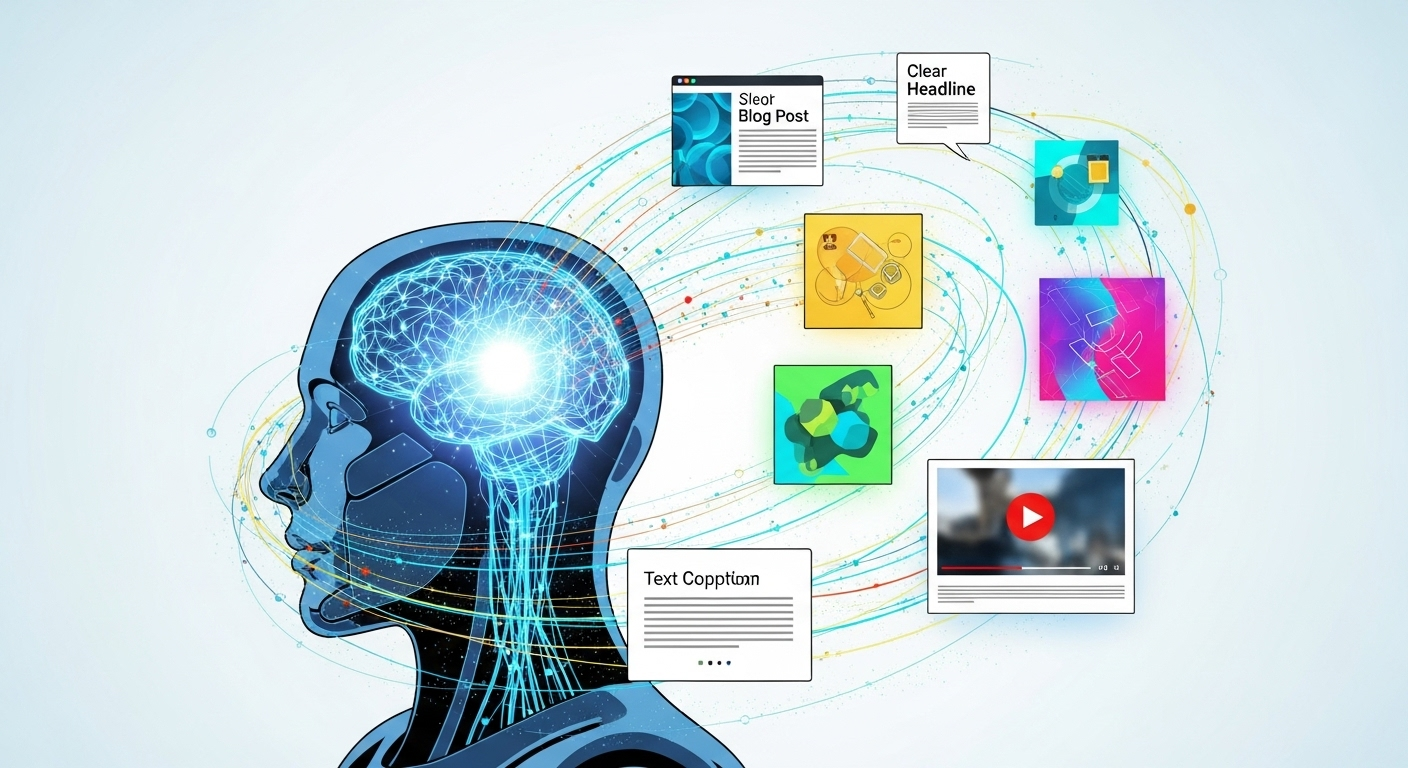
Your AI agent starts with training data—this could be your existing blog posts, successful social media content, or even just detailed prompts about your niche and audience. The more you feed it, the better it gets at understanding what resonates with your followers.
Here's what happens behind the scenes: You give your agent a simple input like “promote my latest review of the Blue Yeti microphone.” Within minutes, it generates multiple post variations—maybe one focuses on sound quality for podcasters, another targets streamers talking about noise cancellation, and a third creates a comparison post with other popular mics. Each post includes relevant hashtags, compelling calls-to-action, and platform-specific formatting.
Customize: Making It Sound Like You
This is where the magic happens. Your AI agent doesn't just create generic content—it adapts everything to match your unique brand voice and style.
If you're known for witty, sarcastic reviews, your agent learns to incorporate that humor. If you're more straightforward and data-driven, it adjusts accordingly. The agent analyzes your top-performing content to understand your tone, your favorite phrases, and even how you structure your calls-to-action. It picks up on patterns like whether you prefer questions or statements, how you typically introduce affiliate links, and what kind of language drives the most engagement from your specific audience.
Automate: The 24/7 Content Machine
Once your content is generated and customized, your AI agent becomes your personal posting manager. But it's not just blindly following a schedule—it's constantly optimizing.
Simple Workflow Visualization:
Input (Your Ideas/Products)
↓
AI Analysis (Audience data + Past performance)
↓
Content Generation (Multiple variations)
↓
Customization (Brand voice + Platform optimization)
↓
Smart Scheduling (Optimal timing)
↓
Performance Monitoring (Real-time adjustments)
↓
Repost Top Performers (Maximize reach)
This cycle creates a feedback loop. Each round of publishing provides performance data, which the agent uses to improve its next set of posts. Over time, you’re not just automating tasks – you’re building a smarter system that continuously learns and sharpens your reach.
For busy bloggers and affiliates, that’s a practical way to scale without sacrificing quality or authenticity.
Benefits—and What to Watch Out For
Let's be honest about what AI social agents can and can't do. They're powerful tools, but like any tool, they work best when you understand both their strengths and limitations.
Key Benefits:
- Consistency at scale: Your AI agent never has writer's block, never takes sick days, and never forgets to post. This consistent presence builds the trust that's essential for affiliate marketing success. I've seen bloggers increase their posting frequency by 400% while maintaining quality, simply because their AI agent handles the heavy lifting.
- Data-driven engagement: Unlike your gut instincts, AI agents make decisions based on actual performance data. They identify patterns you'd never catch—like the fact that your audience engages 67% more with product posts that include personal stories, or that Tuesday posts mentioning specific price points convert better than general product features.
- Scalability without burnout: You can manage multiple social platforms, test different content types, and maintain a robust posting schedule without working yourself into the ground. This is especially crucial for affiliate marketers who need to be present across multiple channels to maximize their earning potential.
Risks & Limitations:
- Your brand voice can get diluted if you're not careful. AI is smart, but it's not you. Without proper training and oversight, your content might start sounding generic or miss the subtle nuances that make your brand unique.
- Platform changes can break things. Social media platforms update their algorithms and policies constantly. Your AI agent might not immediately adapt to these changes, potentially hurting your reach or even violating new platform rules.
- Occasional tone-deaf moments happen. AI doesn't understand context the way humans do. It might schedule a cheerful product promotion right after you've posted about a serious industry issue, creating awkward brand moments.
How to Mitigate the Risks
Start with a trial period where you review every post before it goes live. This lets you catch any tone issues and helps train your agent on what works for your brand. Create a detailed brand guidelines document that includes not just your voice and tone, but also topics to avoid and how to handle sensitive situations.
Monitor your performance metrics closely, especially in the first month. If engagement drops or you're getting negative feedback, adjust your agent's training data immediately. And always, always keep a human in the loop for important conversations and crisis management.
The key is treating your AI agent like a talented intern—capable of great work, but needing guidance and oversight to excel truly.
Getting Started: A Quick Launch Roadmap
Ready to dive in? Here's exactly how I recommend launching your first AI social agent without overwhelming yourself or your audience.
Step 1: Define Your Brand Voice and Guidelines
Before you touch any AI tool, spend 30 minutes writing down your brand personality. Are you the helpful expert who explains everything in detail? The straight-shooting affiliate who cuts through marketing BS? The enthusiastic product tester who gets excited about cool finds?
Create a simple document that includes:
- 3-5 adjectives that describe your brand voice
- Examples of your best-performing social posts
- Your typical call-to-action style (urgent vs. soft-sell)
- Topics you never want to touch (politics, controversial issues, etc.)
- Your audience's biggest pain points and goals
This foundation is crucial. Without it, your AI agent will default to generic marketing speak that kills the authentic connection you've worked so hard to build.
Step 2: Give Your Agent Clear Objectives
Here's where most people mess up—they give their AI agent vague instructions like “create engaging content.” That's like telling your assistant to “do marketing stuff.” Be specific about what success looks like.
For affiliate marketers, your objectives might be:
- Generate 5 social posts per week that drive traffic to my product reviews
- Create Instagram stories that showcase affiliate products in authentic, lifestyle contexts
- “Develop LinkedIn posts that position me as an expert while subtly promoting relevant tools”
Include your conversion goals, too. If you want more email subscribers, tell your agent to weave opt-in incentives into the content. If direct affiliate sales are the priority, specify how often and how aggressively to include affiliate links.
Step 3: Input Prompts, Review Outputs, and Tweak
Start with simple prompts based on your recent content. If you just reviewed a productivity app, try: “Create three Instagram posts promoting the Notion app review I published, targeting busy entrepreneurs who struggle with organization.”
Review everything your agent creates with a critical eye. Is the tone right? Does it sound like something you'd actually say? Are the calls-to-action compelling but not pushy? Use this feedback to refine your prompts and training data.
Step 4: Schedule, Monitor, and Refine Weekly
Once you're happy with the content quality, start with a conservative posting schedule—maybe 3-4 posts per week across your primary platforms. Monitor engagement closely and track which posts drive the most affiliate clicks.
Set aside 30 minutes every Friday to review the week's performance. What worked? What fell flat? Use these insights to adjust your agent's instructions for the following week.
Pro tip: Always include a human review step for at least your first month. Set your agent to create content and save it to drafts, then review everything before it goes live. Once you trust the quality, you can gradually move to full automation.
How to Choose the Right AI Agent for Affiliate Needs
Not all AI agents are built the same. Choosing the right one makes the difference between another shiny tool and a real revenue driver.
Here’s what to look for:
- Customization options – Can it adapt tone, keywords, and formats to your brand identity?
- Automation & scheduling – Does it handle posting, timing, and reposting automatically?
- Analytics – Are there actionable insights on engagement, CTR, and conversions?
- Brand voice training – Can you upload sample content to “teach” it your voice?
- Affiliate relevance – Look for features like CTA integration, product link handling, and variations for A/B testing.
- Media flexibility – Posts should combine text, images, and short-form video to maximize reach.
- Scalability – White-label or agency rights (as in tools like BuzzAgentsAI) let you scale or even offer services to clients.
For affiliate bloggers, the sweet spot is a platform that not only automates the grind but also aligns with revenue goals. The ideal agent isn’t just about pushing content – it’s about nudging readers closer to clicks, conversions, and commissions.
BuzzAgentsAI: A Practical Solution
There are dozens of tools calling themselves “AI-powered,” but few are built specifically for the grind of affiliate and blogging workflows. After reviewing dozens of AI social agent platforms, I keep coming back to BuzzAgentsAI as one of the most comprehensive solutions for affiliate marketers and bloggers.
Here's why it stands out from the crowd:
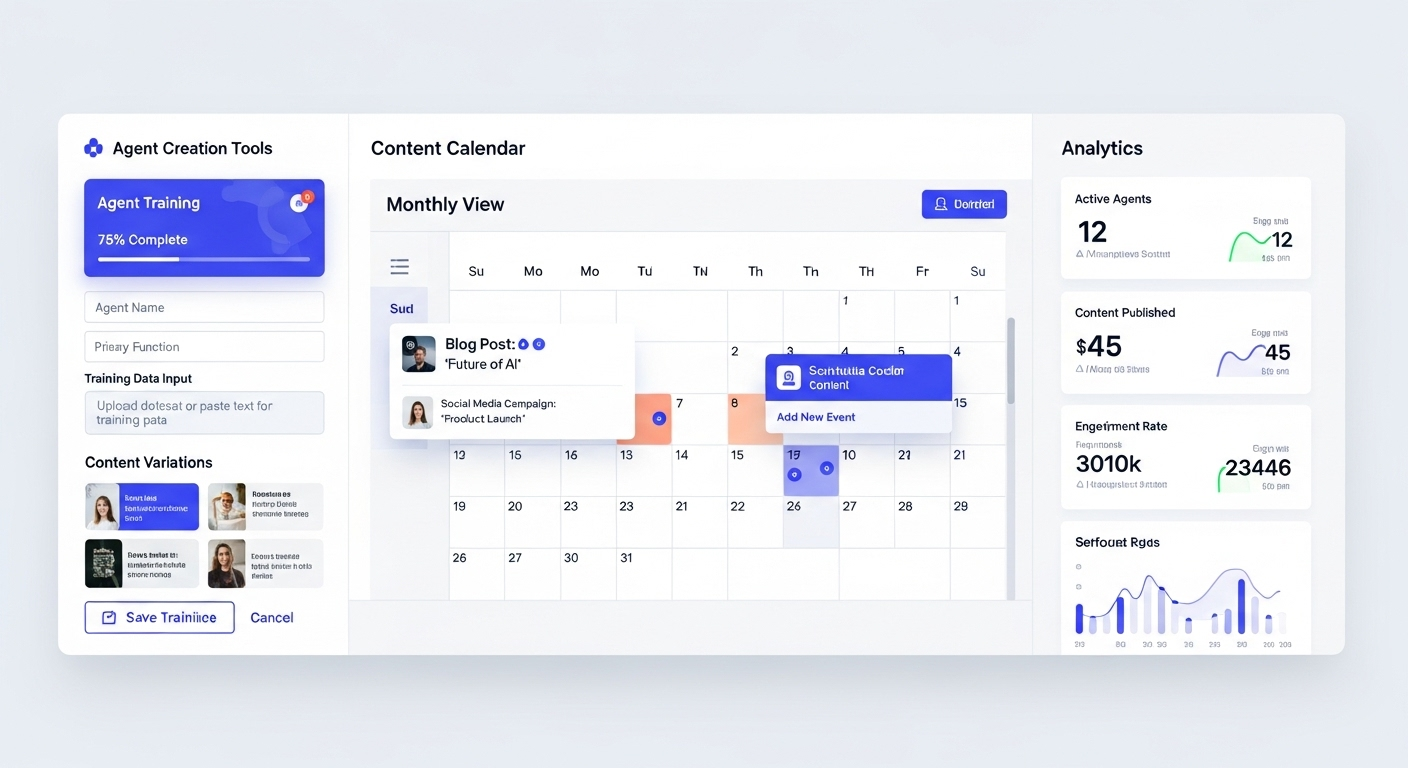
- Agent Training – You can “teach” BuzzAgentsAI agents your brand voice, niche context, and objectives. This aligns perfectly with Step 1 of defining your guidelines and Step 2 of setting objectives.
- Content Variations Technology – Instead of churning out cookie-cutter posts, the platform generates multiple versions of content. Affiliates can A/B test headlines, CTAs, or product angles – critical for conversion optimization.
- Automation & Scheduling – From queuing posts to reposting top performers, BuzzAgentsAI maps directly to the generate-customize-automate cycle described earlier.
- Analytics – Built-in insights show what’s driving clicks and sales, not just engagement. That’s affiliate-first thinking.
- Agency Rights – A standout feature. With white-label options, you’re not just scaling your own brand – you can turn around and offer AI-powered social media services to clients as an additional revenue stream.
In other words, BuzzAgentsAI doesn’t just check boxes. It’s purpose-built to solve the problems affiliate bloggers face: limited time, the need for consistency, and the demand for smarter content that leads to sales. For creators looking to launch quickly and scale sustainably, it’s a practical bridge from theory to action.
Conclusion
AI social agents can multiply your content output without multiplying your workload. They free up your time, keep your feeds alive, and provide data-driven insights that help convert clicks into commissions.
Here's the bottom line: AI social agents aren't just another marketing tool—they're a fundamental shift in how smart affiliate marketers approach content creation and audience engagement.
Think about it. While your competitors are still manually crafting individual posts and hoping for the best, you can have an AI agent that creates dozens of optimized content pieces, tests different approaches, learns from performance data, and continuously improves your conversion rates. It's like having a data scientist, content creator, and social media manager all rolled into one digital teammate.
How do you know if they truly work? You must put them to work. So don't let this be another article you read and forget about. Pick one AI social agent platform and commit to testing it for 30 days. Start with a simple goal—maybe generating social content for your latest product review or maintaining consistent posting on your primary platform. Document what works, what doesn't, and how much time you're actually saving.
Most platforms offer free trials or money-back guarantees, so your risk is minimal. The real risk is staying stuck in manual content creation while your competitors scale their operations with AI.
Feel free to share your experience in your comment below. Please let us know which platform you are using, what challenges you're facing, or what results you're seeing. Your insights could help other affiliate marketers make better decisions about their own AI strategies.
Frequently Asked Questions
-
What is an AI social media agent?
An AI social media agent is software that creates social media content automatically. It writes posts, schedules content, and engages with your audience. The agent learns from your brand style and improves over time. Unlike basic tools, AI agents make decisions and adapt to your audience behavior without constant input.
-
What's the difference between AI tools and AI agents?
AI tools require you to give specific instructions for each task. You tell the tool what to do, and it follows your commands exactly. AI agents work independently after you set initial goals. They analyze data, make decisions, and take actions without waiting for your input. Agents learn and improve their performance automatically.
-
Can an AI agent write posts for my blog/social channels?
Yes, AI agents can write posts for blogs and social media channels. They generate content ideas, write captions, and create different post variations. The agent adapts your writing style and maintains your brand voice. You can review and edit the content before it goes live.
-
Are AI social agents reliable?
AI social agents are reliable for consistent posting and content creation. They work continuously without breaks or sick days. However, they need human oversight for quality control and strategic decisions. You should monitor their performance and adjust their training regularly.
-
Are AI social agents effective for small businesses?
AI social agents work well for small businesses with limited marketing resources. They reduce the time spent on content creation and social media management. Small businesses can maintain consistent social media presence without hiring additional staff. The cost is typically lower than hiring a social media manager.